
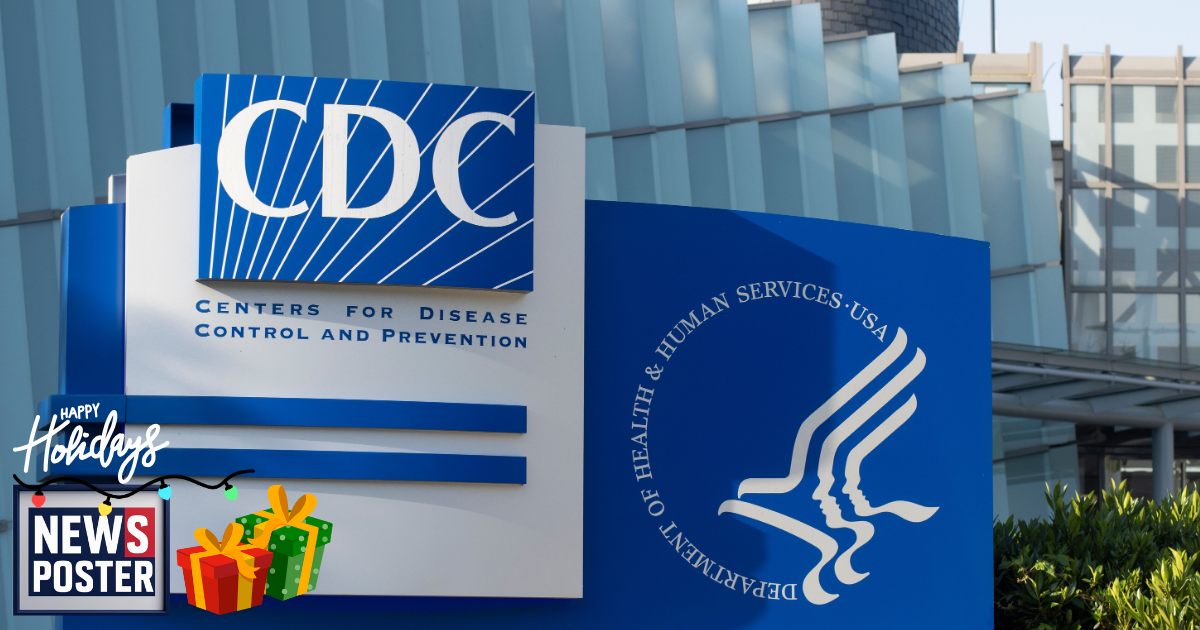
Employees at the Centers for Disease Control and Prevention report that a policy change under the Trump administration is making it increasingly difficult for staff with disabilities to access telework as a reasonable accommodation. Previously approved accommodations are being rescinded as the agency implements a new Department of Health and Human Services policy, which limits supervisors’ authority to approve telework requests for disabled employees.
Legal experts say the change could violate federal disability law, which requires employers to provide reasonable accommodations unless doing so causes an undue hardship. Under the new policy, all telework accommodation requests must now be reviewed at the assistant secretary level or higher, creating potential delays of six to eight months for previously approved accommodations. During that time, some employees may be required to return to their duty stations or take alternative forms of leave, such as paid time off or sick leave.
CDC officials have acknowledged the policy represents a significant shift, while HHS has denied that the change will create hardships for employees. Short-term accommodations of up to 80 hours can still be approved for temporary needs, but all other telework requests must go through higher levels of review.
Federal law, including Section 504 of the Rehabilitation Act, guarantees that disabled employees are entitled to reasonable accommodations unless it imposes an undue burden on the employer. Experts warn that delaying or denying telework accommodations could amount to violations of this law, particularly for employees who previously had approved accommodations.
The CDC’s union, AFGE Local 2883, is monitoring the situation and considering possible legal action, while more than 3,300 accommodation requests remain pending amid staffing shortages. Employees who fail to report to work could face disciplinary action, including termination. Lawmakers, including Sen. Raphael Warnock, have raised concerns that the policy may drive experienced public health staff away from the agency, potentially undermining its mission.