
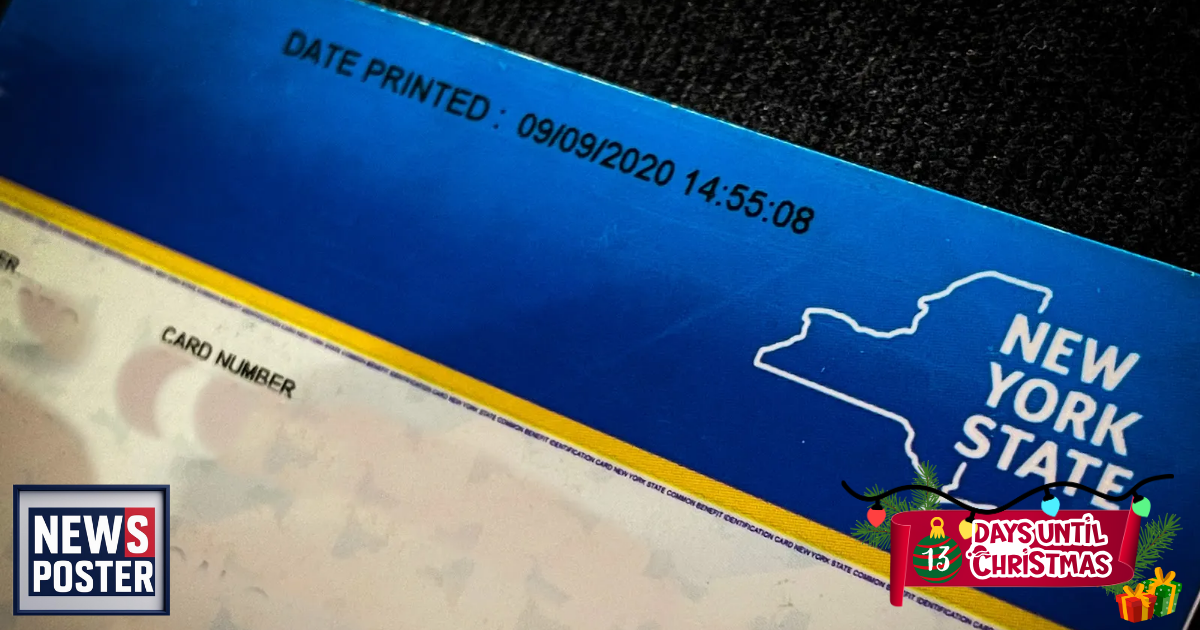
After a turbulent November, New York’s Supplemental Nutrition Assistance Program (SNAP) is back on track, at least temporarily. The program was disrupted when a government shutdown on November 1 halted SNAP payments nationwide. At the same time, New York’s social service agencies were blindsided by a federal decision requiring the state to implement expanded work requirements months earlier than planned.
A legal battle involving 25 states reached the Supreme Court, but SNAP payments resumed after Congress reopened the federal government on November 13. New York was allowed to honor an existing waiver, delaying the new work requirements until next year as originally intended. Diana Ramos, a SNAP recipient and activist with the Urban Justice Center’s Safety Net Project, described the confusion as overwhelming. She said she had to take out a cash advance just to cover essentials like dog food and a winter jacket before her benefits were deposited on November 10.
Despite the resolution, uncertainty about SNAP’s future lingers. Tami Wilson, chief operating officer at Feeding Westchester, said many recipients are anxious, especially with a potential government shutdown looming in February, even though SNAP funding is secured through September 2026. The organization reported a surge in food pantry use in October ahead of the payment crisis, reflecting long-standing concerns that SNAP benefits often do not last the entire month.
The new work rules, part of federal legislation dubbed the “Big Beautiful Bill,” are scheduled to take effect in March. Certain recipients will be required to participate in work, school, or volunteer programs for up to 80 hours per month. Failure to meet these requirements for more than three months could result in the termination of benefits. New York City’s Human Resources Administration is preparing programs to help recipients comply, including connecting them with work programs and health services. Medical exemptions are available for residents with physical or mental conditions that prevent them from meeting the requirements.
Advocates, however, remain concerned that preparation alone will not prevent widespread hardship. Understaffed agencies, technological barriers, language challenges, and administrative errors could leave hundreds of thousands of New Yorkers at risk of losing benefits.
Further complications may come from federal data sharing policies and proposed rule changes that could deter immigrants from accessing benefits, raising concerns about privacy and potential impacts on citizenship or permanent legal status. Ramos, who is Puerto Rican and part of a lawsuit challenging the data policy, expressed fears about how the requirements could affect immigrant communities.
The unfolding situation highlights both the challenges of administering SNAP under new federal rules and the ongoing uncertainty faced by vulnerable New Yorkers who rely on the program for food and basic necessities.