
WASHINGTON – Senate leaders are preparing for a vote next week to pass the bicameral compromise National Defense Authorization Act, sending it to President Donald Trump for signature.
The fiscal 2026 NDAA, which authorizes $900.6 billion for defense programs, primarily at the Pentagon, is moving toward final approval after the Senate voted 75-22 Thursday to take a procedural step toward considering the measure. Another procedural vote is scheduled for Monday evening, with a final vote expected soon after. The House passed the bill on Wednesday by 312-112.
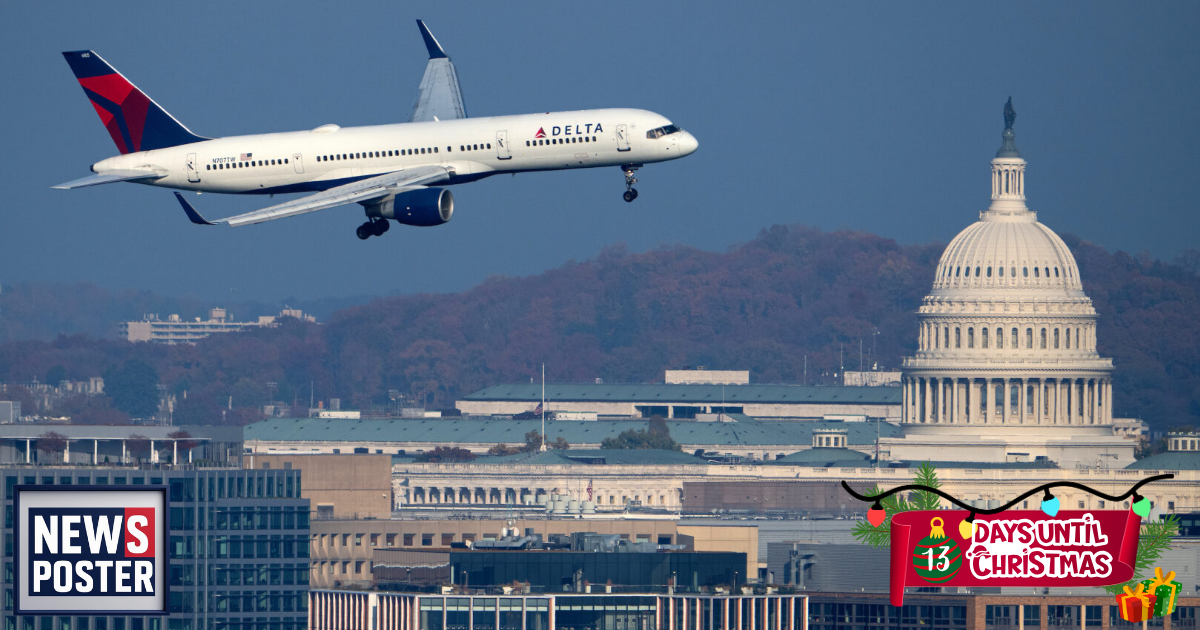
While most of the legislation is uncontroversial, a provision regarding military aircraft operations near Ronald Reagan Washington National Airport has drawn bipartisan attention. The measure requires military training aircraft to signal their location to air traffic controllers unless a waiver is granted by a service secretary and the Transportation Department secretary, based on national security considerations and a risk assessment.
The provision is a response to a collision near Reagan Airport last year between a passenger jet and an Army Black Hawk helicopter that killed 67 people. However, some lawmakers argue the NDAA’s language is insufficient. Senators Ted Cruz, R-Texas, and Maria Cantwell, D-Wash., filed an amendment to replace the provision with stricter safety requirements from a separate bipartisan bill. Senators Jerry Moran, R-Kan., and Tammy Duckworth, D-Ill., have also opposed the NDAA language, saying it “misses the mark” on addressing airport safety.
Despite these concerns, Sen. Jack Reed, D-R.I., ranking member of the Armed Services Committee, said the bill contains adequate protections. He noted that the language ensures DOD helicopters must signal their position unless an approved exception is in place, requiring both the Department of Defense and the Transportation Department’s approval. Reed predicted the Senate vote would mirror the House’s strong bipartisan support.
As Congress nears the Jan. 30 expiration of the continuing resolution funding most of the federal government at fiscal 2025 levels, lawmakers face a tight timeline to pass either another CR or complete the remaining fiscal 2026 appropriations bills to avoid a partial government shutdown. Lawmakers opposing the Reagan airport provision have suggested they might pursue changes through an appropriations measure if the NDAA vote does not address their concerns.