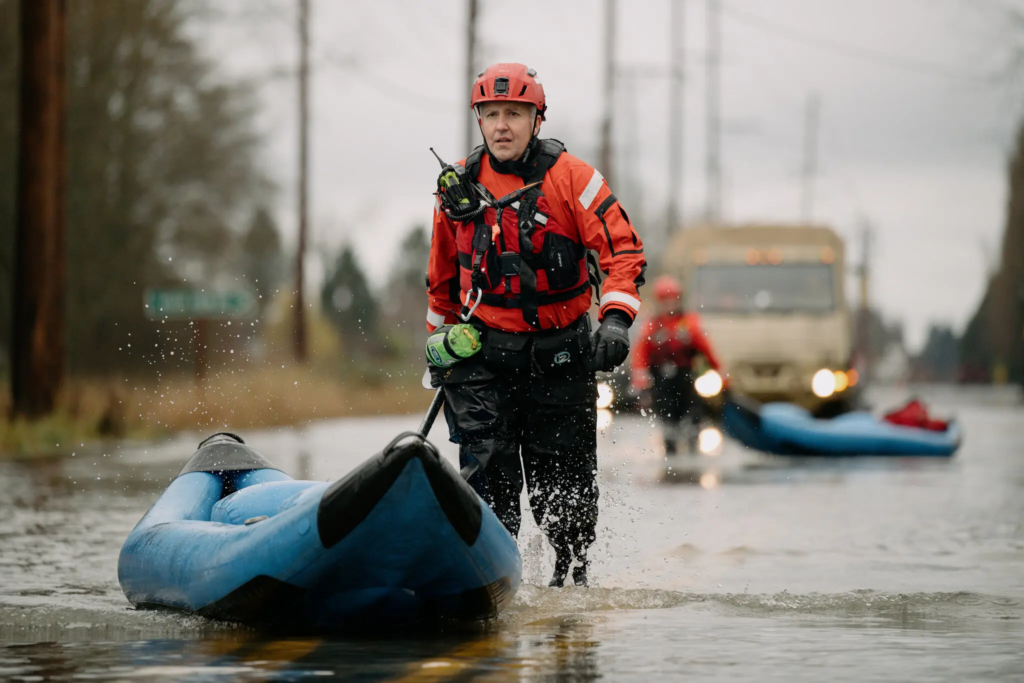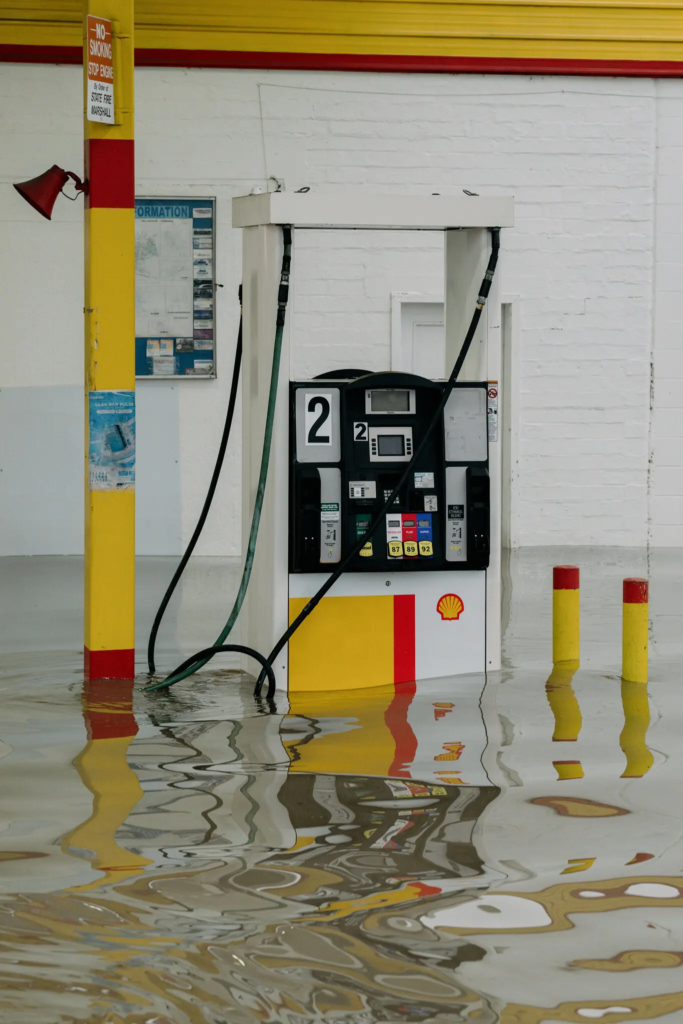

Heavy rains in Washington state finally began to ease on Saturday, but for residents like Liz Trujillo, the respite offered little comfort. Surrounding her Burlington home were deep floodwaters, leaving her property effectively isolated. Her four horses grazed nearby, a lone goat wandered, and holiday decorations sat partially submerged, highlighting the surreal scene.
“I think everybody is just in shock,” said Trujillo, 52. “I’ve lived here my whole life, but this is just beyond anything anyone has seen.” Thousands of northern Washington residents spent the day assessing the aftermath of the storm that caused rivers to overflow, flooded homes and farms, and turned roadways into impassable streams. Remarkably, no deaths or serious injuries had been reported, thanks in large part to emergency crews who conducted over 250 water rescues across the state.
President Trump approved an emergency declaration for Washington on Friday, enabling federal support for recovery efforts. Governor Bob Ferguson praised federal assistance and highlighted the ongoing work to clear roads and debris. In Burlington, Trujillo’s garage and basement were still submerged, including a vintage 1971 Cadillac convertible. She and her family planned to wait for the waters to recede, relying on neighbors and deliveries brought by boat.
Emergency shelters in the area filled with farmworkers displaced by flooding, and memories of the devastating 2021 floods resurfaced for many. In Sumas, near the Canadian border, residents like Debra Huskey returned to devastated streets, witnessing homes stripped of furniture and covered in mud, while contractors worked to remove debris. The smell of stagnant water and mildew evoked trauma from previous floods, highlighting the emotional toll on the community.
Other residents, such as Carla Robinson and her husband, faced the reality of significant property damage, questioning whether it was worth remaining in a flood-prone area after 26 years. Some towns fared better; Mount Vernon’s flood wall protected downtown businesses even as the Skagit River crested. More than 100,000 people had been ordered to evacuate, and officials warned that another atmospheric river could bring additional rain and rising rivers. Chelan County also issued evacuation orders for the Stehekin Valley as a precaution.
Despite the destruction, residents began the arduous task of salvaging belongings and cleaning up. In Burlington, Mario Rincon checked his garage full of Halloween decorations, while Pastor Michael Stansberry and over 20 volunteers from his church labored to remove soaked carpets, drywall, and insulation from his flooded home. Amid the chaos, board games and personal treasures dried on tables, highlighting the resilience and determination of those affected. “How can you really prepare?” Stansberry said, reflecting the uncertainty that comes with living in flood-prone regions.