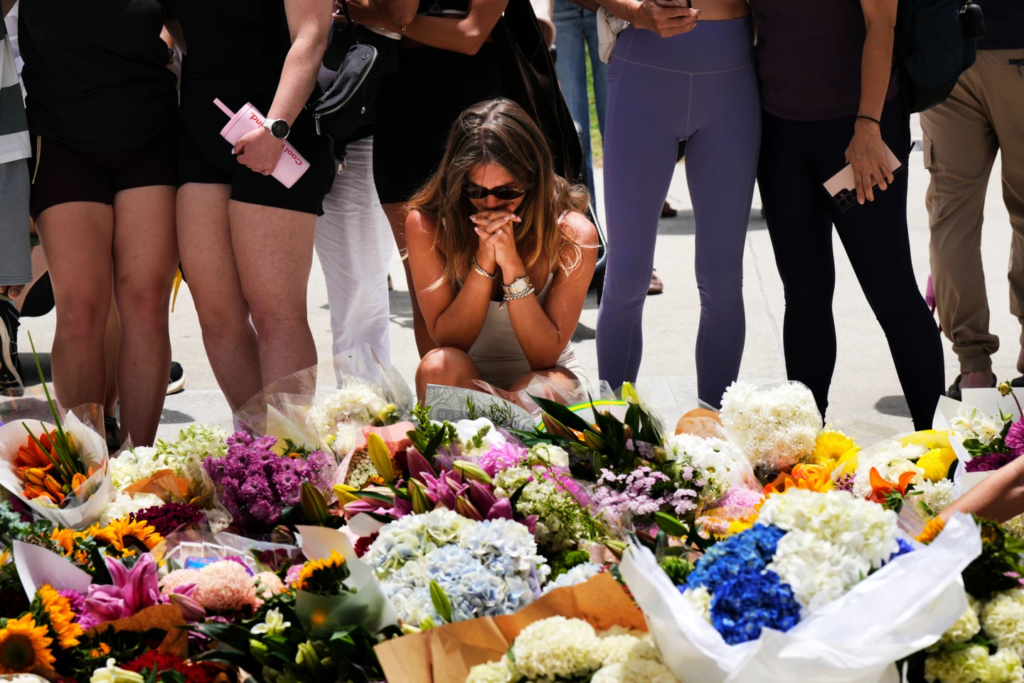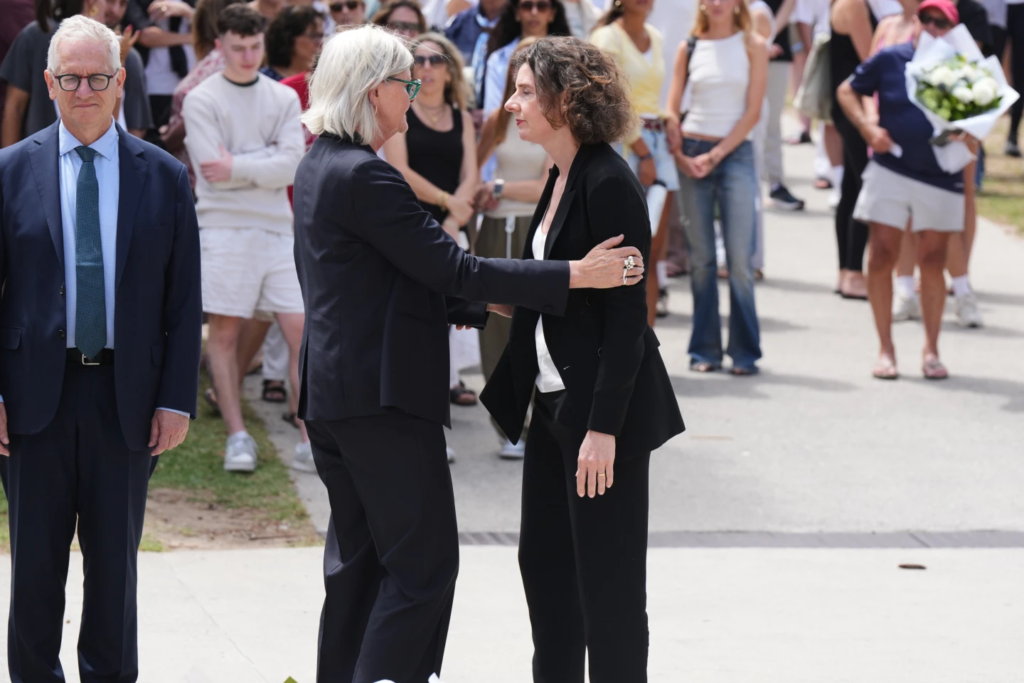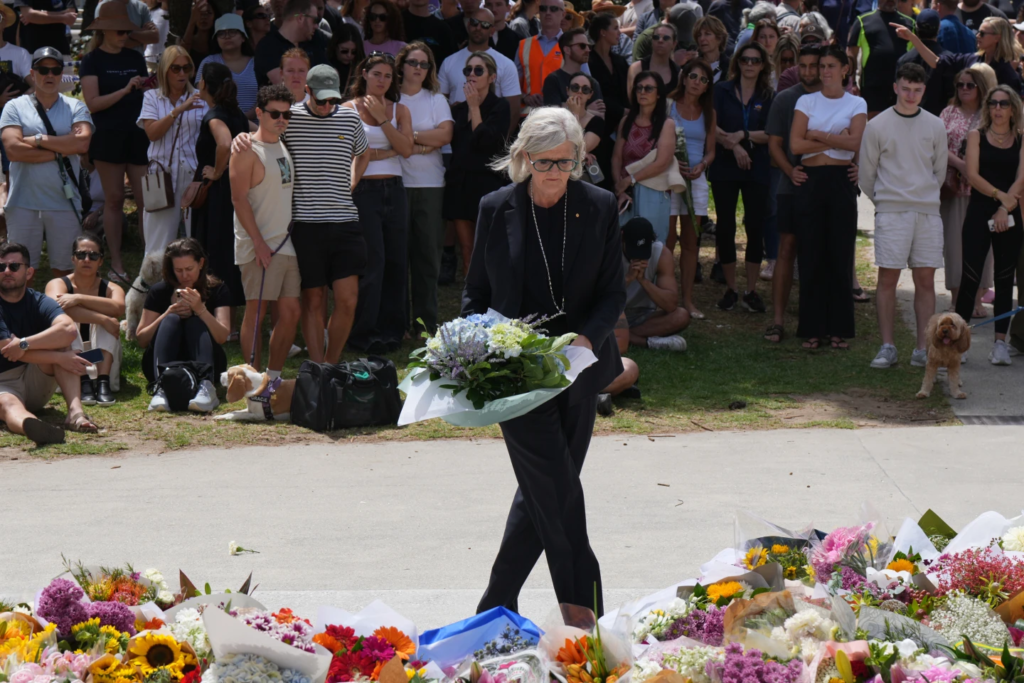
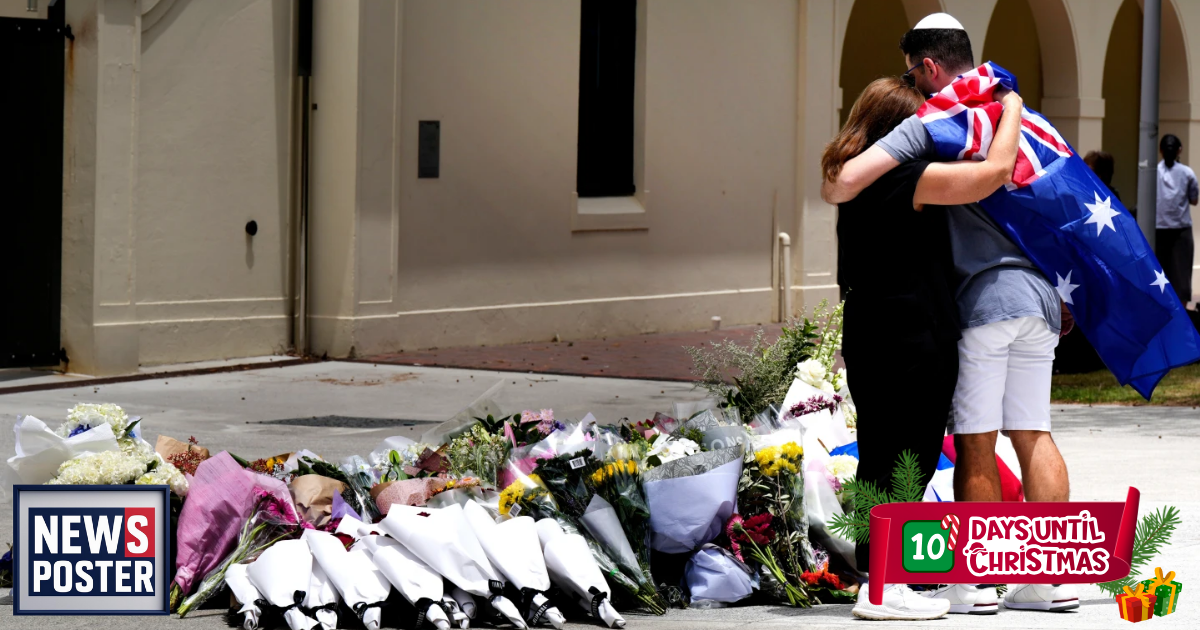
SYDNEY, AUSTRALIA – Australian federal and state leaders announced Monday an immediate overhaul of the country’s gun laws following a mass shooting at a Hanukkah celebration on Sydney’s Bondi Beach, which left at least 15 people dead. The move includes renegotiating the national firearms agreement, originally enacted after the 1996 Port Arthur massacre, which had effectively banned rapid-fire rifles.
The attack occurred late Sunday as thousands gathered on Bondi Beach, including hundreds attending the “Chanukah by the Sea” festival, featuring food, activities, and a petting zoo. Authorities reported that at least 38 people, including two police officers, were hospitalized with injuries. Victims ranged in age from 10 to 87 and included a 10-year-old girl, a rabbi, and Holocaust survivors. Among those killed were Rabbi Eli Schlanger, an organizer of the Hanukkah event, an Israeli citizen, and a French national named Dan Elkayam.
Police confronted the two suspected shooters, a father and son. The 50-year-old father was killed at the scene, while the 24-year-old son remained in a coma. Prime Minister Anthony Albanese confirmed that the son had been previously investigated by the Australian Security Intelligence Agency in 2019 for associations with a local Islamic State cell, but authorities determined there was no ongoing threat at the time. The elder shooter had legally held six firearms for a decade, prompting calls for stricter licensing rules and limits on gun ownership.
Albanese called the Bondi attack an act of antisemitic terrorism and announced proposals to limit gun ownership to Australian citizens and to use criminal intelligence in assessing licensing eligibility. New South Wales Premier Chris Minns said the state’s laws would also change, targeting access to weapons deemed unnecessary for civilian use.
The massacre has intensified scrutiny of the government’s efforts to combat antisemitism, which has been on the rise in Sydney and Melbourne over the past year, including attacks on synagogues, homes, and businesses. Jewish leaders and community members expressed frustration over perceived inaction, emphasizing the need for greater protection of citizens.
Amid the tragedy, heroic acts were highlighted, including that of Ahmed al Ahmed, a 42-year-old fruit shop owner who disarmed one of the gunmen at great personal risk and survived after being shot in the shoulder. His bravery was widely recognized, with officials praising his actions for potentially saving numerous lives.
The shooting underscores ongoing concerns about antisemitic violence in Australia and the country’s gun control policies, prompting leaders to pledge swift legislative action to prevent similar attacks in the future.