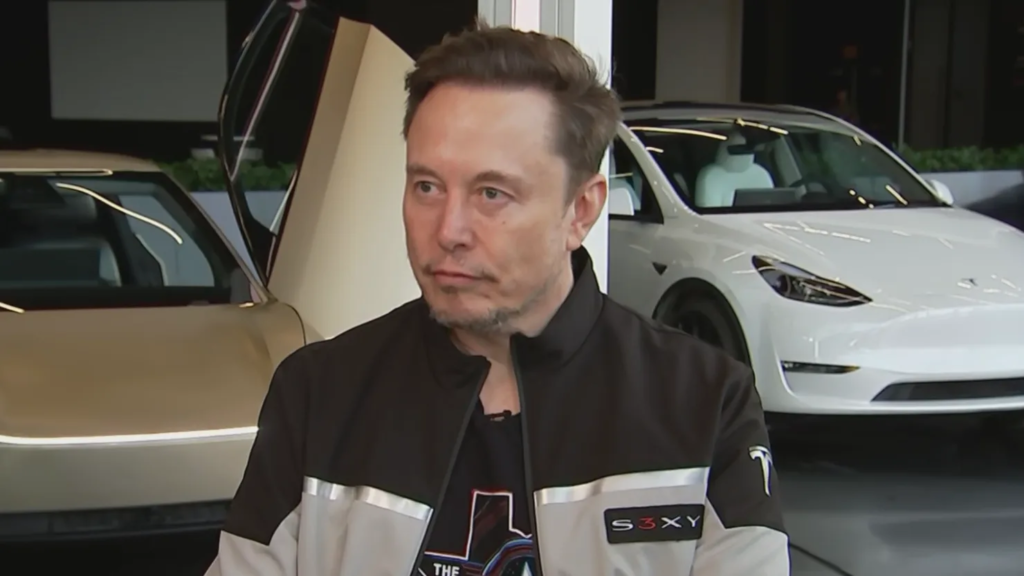
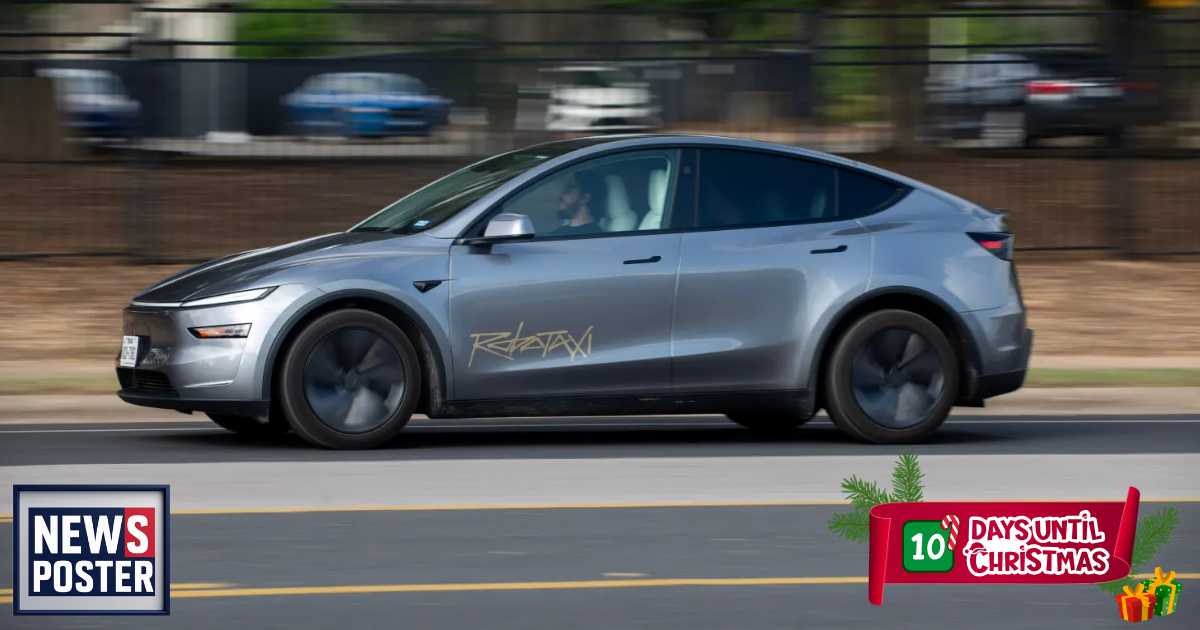
Tesla has begun testing driverless Robotaxis in Austin, Texas, nearly six months after launching its limited ride-hailing service with safety drivers on board. CEO Elon Musk confirmed over the weekend that the company’s vehicles are now operating without any occupants.
The announcement helped push Tesla shares up 3.5% to $475.11 on Monday, marking an 18% gain for the year and bringing the stock close to its December 2024 record. Musk has long promised fully autonomous vehicles capable of functioning as unmanned robotaxis or completing cross-country trips without human intervention. While that level of autonomy has not yet been achieved, Tesla launched its Robotaxi service in Austin in June and rolled out a separate fleet in the San Francisco Bay Area.
Posts from Tesla’s official account indicated that the fleet will be activated via over-the-air software updates, with Tesla VP of AI Software Ashok Elluswamy commenting, “And so it begins!” in response to footage of an apparent driverless vehicle in Austin. The company has not provided a timeline for when the service will operate commercially without human supervisors.
Tesla’s Austin fleet has faced some challenges. By mid-October, the company reported seven minor collisions involving vehicles equipped with automated driving systems, each with a human safety supervisor present. Experts note that with a small fleet of around 30 cars, there should likely have been fewer incidents. Tesla has not disclosed detailed descriptions of the crashes. Musk has said the Austin fleet is expected to grow to 60 vehicles by the end of 2025.
Currently, Texas allows autonomous vehicle testing and operations on public roads as long as traffic laws are followed. Regulatory changes taking effect in May 2026 will require DMV authorization for commercial use of driverless vehicles. Tesla has not yet applied for permits to operate driverless testing or commercial robotaxi services in California.
In the broader autonomous vehicle market, Tesla trails competitors such as Waymo in the U.S. and Apollo Go and WeRide in Asia, all of which operate commercial ride-hailing robotaxi services.