
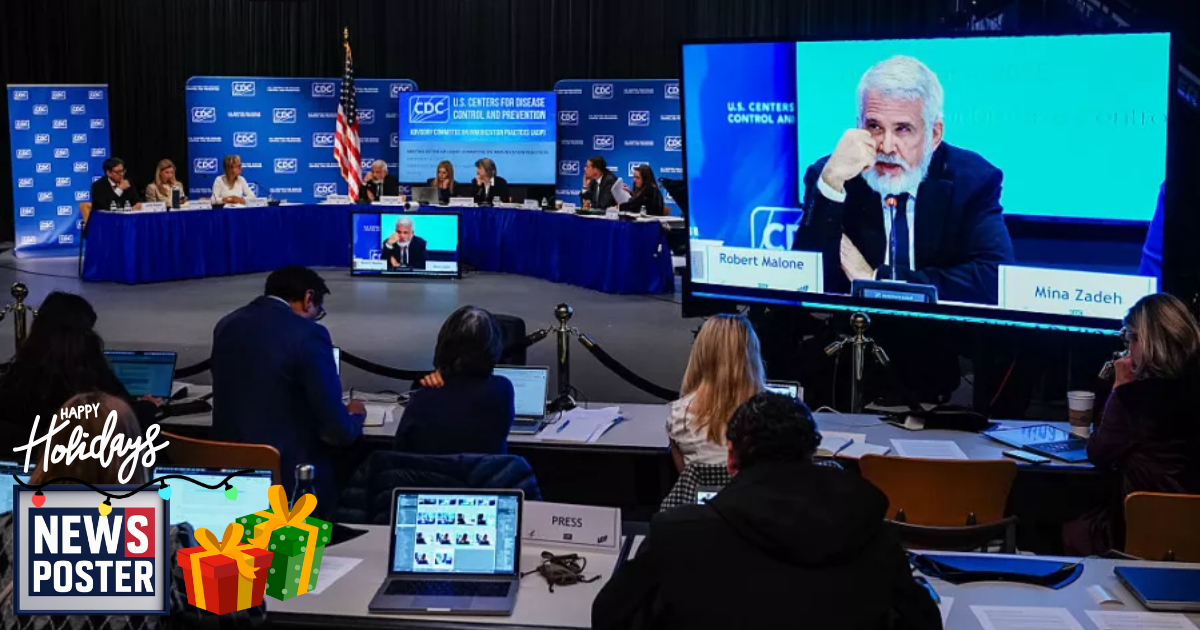
Advisers to the Centers for Disease Control and Prevention delayed Thursday’s planned vote on changes to the universal newborn hepatitis B vaccine recommendation, citing confusion over the wording of the proposals. The Advisory Committee on Immunization Practices (ACIP) postponed the votes until Friday to give members more time to review the revised language.
The meeting was marked by tension and disagreement among committee members. The vote under discussion could end the longstanding policy of vaccinating all newborns against hepatitis B, regardless of the mother’s infection status. Some members expressed concern over last-minute changes to the language, saying they needed additional time to evaluate the proposal. Proponents of the current recommendation emphasized that universal vaccination protects infants from serious liver disease, including cirrhosis and cancer, as early infections carry higher risks and there is no cure. FDA representative Dr. Tracy Beth Høeg questioned the necessity of vaccinating low-risk newborns at birth, while pediatrician Dr. Cody Meissner defended the program, highlighting its success in reducing hepatitis B in the U.S. Nonvoting liaisons from medical professional organizations criticized the process and warned that the committee was failing to fully consider risks, benefits, and equity. Friday’s agenda will include the hepatitis B vote, a review of the U.S. vaccine schedule versus other countries, and discussions on aluminum-based vaccine ingredients and their potential links to asthma. The committee’s decisions directly influence vaccination practices and insurance coverage, but recent changes to its membership and processes have sparked concern among mainstream medical groups.