
SANTIAGO, CHILE – Chilean voters are heading to the polls on Sunday for a highly polarized presidential runoff, facing a stark choice between far-right candidate José Antonio Kast and left-wing contender Jeannette Jara. Kast, running for president for the third time, leads in the polls, while Jara, a Communist Party member and former labor minister, presents a markedly different vision for the country. With compulsory voting in place, many citizens will cast ballots for candidates they do not fully embrace.
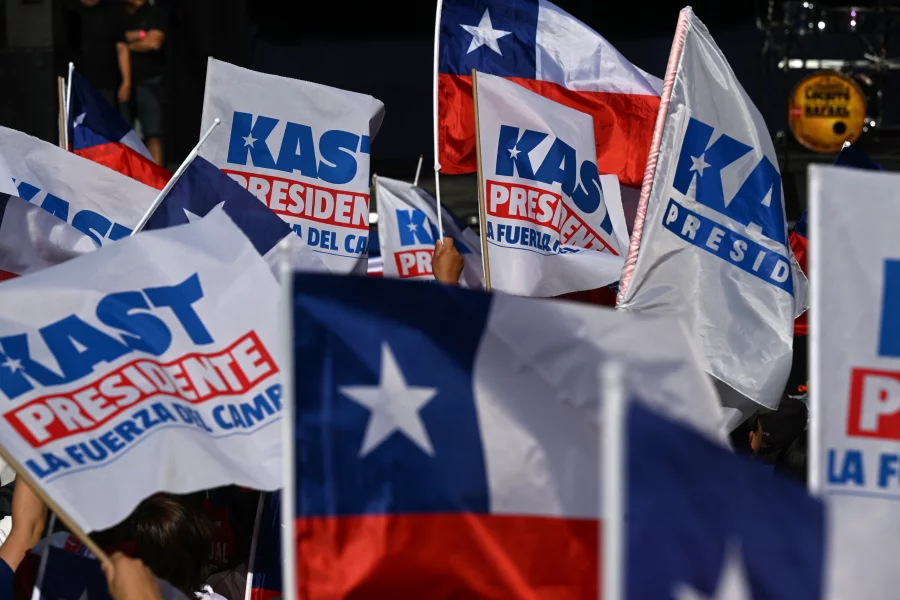
Kast held a closing rally in Temuco on Thursday evening, addressing thousands of supporters, many waving Chilean flags. His speech emphasized public security and migration policies, drawing loud cheers for his proposals to deport migrants and increase incarceration for criminals. Supporters like 18-year-old first-time voter Benjamín Sandoval said they were motivated by concerns over rising crime, a sentiment amplified by media coverage and surveys showing Chile among the countries with the highest fear of walking alone at night despite low overall crime rates.
Kast, 59, has built his campaign on these fears. He is the son of Michael Kast, a former German soldier and Nazi Party member who moved to Chile in 1950, and comes from a politically prominent family. He openly defends the Pinochet dictatorship and began political activism as a student campaigning for Pinochet in the 1988 plebiscite. This year, however, Kast has focused his platform on security, migration, and fiscal reforms, avoiding previously controversial stances on abortion and same-sex marriage. He has promised to cut corporate taxes and reduce the public budget by $6 billion, largely through dismissals of public employees hired under left-wing administrations.
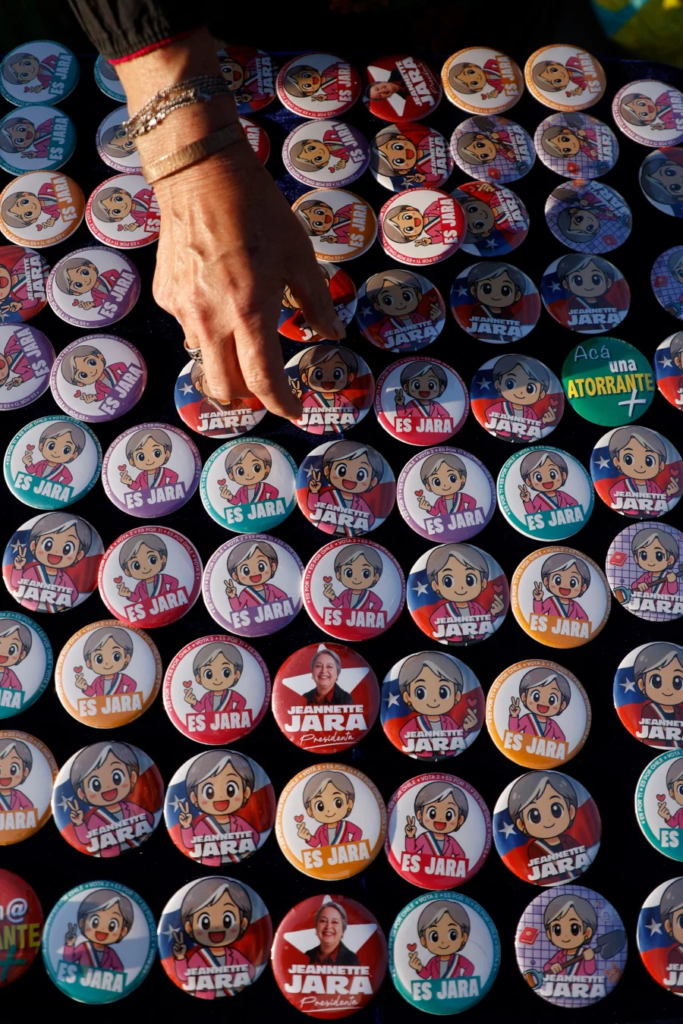
Jara, 51, offers a contrasting approach. She previously served in Michelle Bachelet’s government and as labor minister under President Gabriel Boric, leading initiatives on pension reform, minimum wage increases, and shorter workweeks. A lifelong member of the Communist Party, Jara’s campaign centers on affordability and social support, including a universal core income of around $800 per month, lower electricity bills, and state contributions to help young adults buy homes. Supporters like Roxana Muñoz, a 58-year-old cashier, praised Jara’s focus on women’s rights and social policies.
If Kast prevails, Chile would elect its most right-wing leader since the end of Pinochet’s dictatorship in 1990. His potential victory reflects a broader regional trend, with conservative or right-leaning leaders gaining ground in Bolivia, Argentina, and Ecuador in recent elections.