
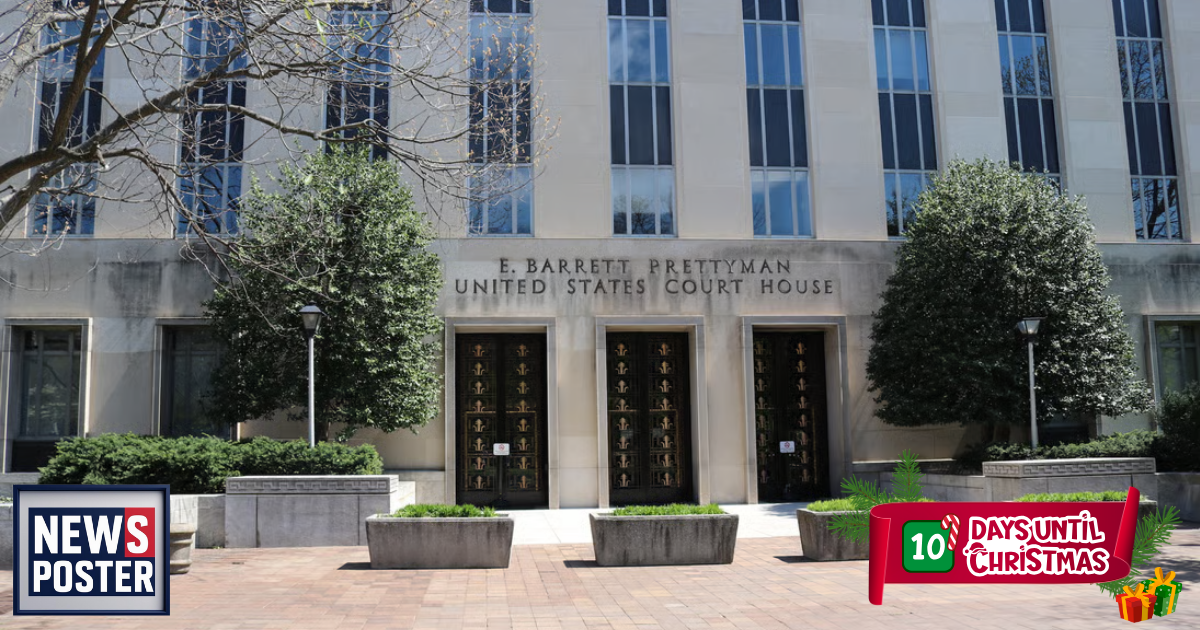
WASHINGTON – A D.C. Circuit panel appeared likely on Monday to strike down a series of executive orders issued by President Donald Trump that exempted nearly two-thirds of the federal workforce from their collective bargaining agreements.
The three-judge panel heard arguments in three consolidated cases challenging Trump’s use of an exemption under the Federal Service Labor-Management Relations Statute, which is intended for agencies and subdivisions with primary national security functions, to cancel their labor agreements. Employee unions, including the American Foreign Service Association, the National Treasury Employees Union, and the Federal Education Association, sued, arguing that Trump overstepped by broadly exempting 18 federal agencies and 25 subdivisions without properly identifying offices with true national security responsibilities.
Trump’s March 27 executive order, titled “Exclusions from Federal Labor-Management Relations Programs,” and a follow-up order on August 28 targeted additional agencies, including NASA, the National Weather Service, and the U.S. Agency for Global Media. Justice Department attorney Joshua Koppel argued that Trump acted within his legal authority and exercised discretionary national security powers, citing a 1919 Supreme Court precedent affirming presidential discretion during wartime.
Judges on the panel expressed skepticism. U.S. Circuit Judge Douglas Ginsburg noted that Trump delegated authority to the secretaries of Defense and Veterans Affairs to reverse exemptions for subdivisions lacking national security duties, suggesting the orders were overbroad. Judge Bradley Garcia highlighted that previous rulings found Trump’s determinations did not adequately consider each agency’s security responsibilities, and that internal White House documents indicated a focus on weakening federal unions critical of the president.
Judge Neomi Rao questioned the scope of legal deference traditionally granted to executive actions, suggesting that any executive order showing animus toward unions may not merit full presumption of regularity. Koppel argued that the unions had not demonstrated presidential involvement in the statements cited from the fact sheet. He also asserted that the Federal Labor Relations Authority, rather than federal courts, is the proper venue for such disputes, though judges worried that this could leave unions without a forum to raise constitutional and statutory claims.
The case highlights the tension between presidential authority and labor protections for federal employees, as the panel weighs whether Trump’s executive orders were legally justified or an overreach targeting union activity.