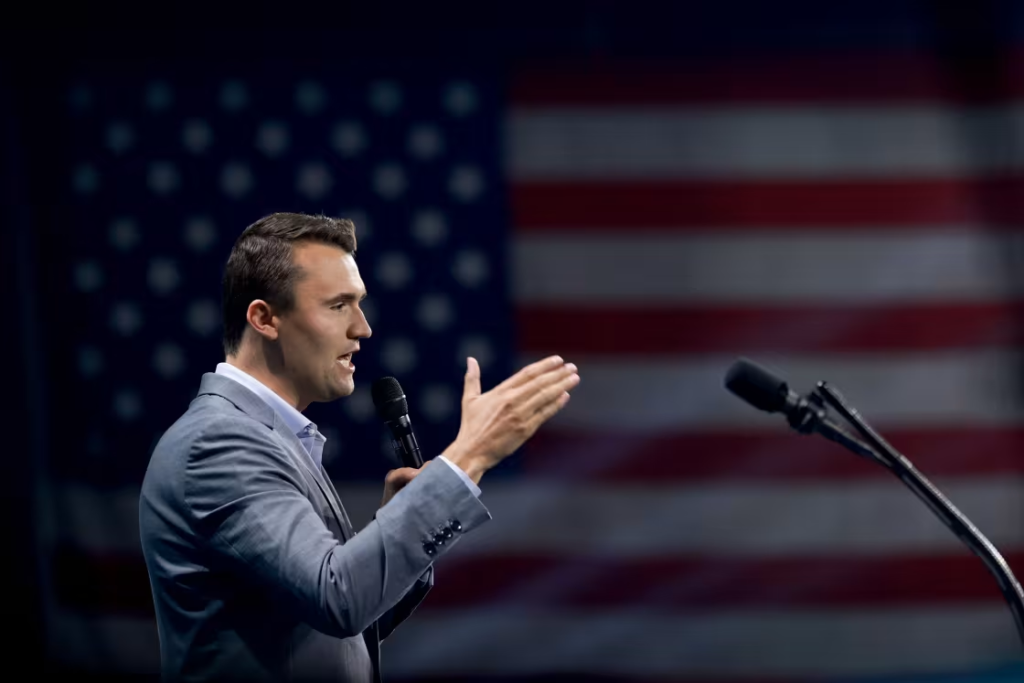
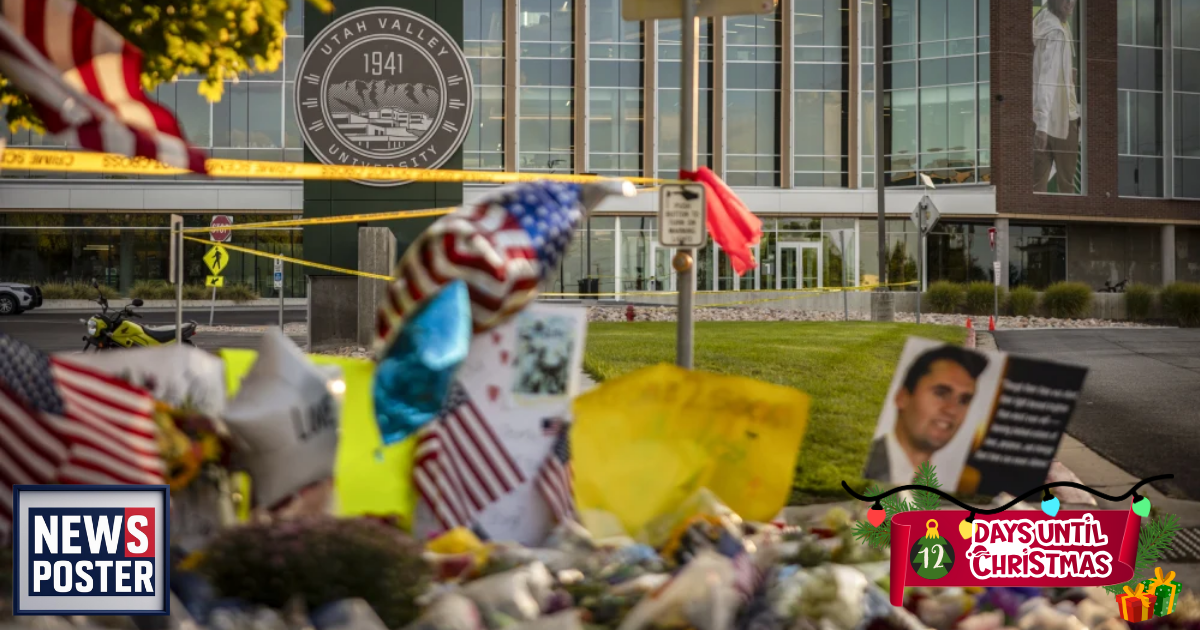
WASHINGTON – Three months after the assassination of Charlie Kirk, the Justice Department is exploring whether federal charges could be filed against the alleged shooter, potentially under a novel legal theory classifying the attack as an anti-Christian hate crime, according to sources familiar with the investigation.
The suspect, Tyler Robinson, faces multiple state charges in Utah, including aggravated murder, with prosecutors planning to seek the death penalty. Text messages from Robinson to his trans partner reportedly indicate he was motivated to kill Kirk because he “had enough of his hatred.” While it is common for defendants to face both state and federal charges in certain cases, some career prosecutors have questioned whether the Kirk case fits within any federal statutes.
A federal prosecution as an anti-Christian hate crime would be unusual, as it may hinge on equating anti-trans views with Christianity. Other federal statutes, including stalking charges used in past cases, do not appear applicable. Sources described the effort as “trying to shove a square peg into a round hole.”
Federal prosecutors are reviewing all options, emphasizing that the state case already carries the potential for a death penalty. The Justice Department said its Civil Rights Division is considering additional avenues to bring charges if appropriate.
Kirk, founder of Turning Point USA, was a prominent conservative figure with strong ties to President Trump’s MAGA movement. While there is broad agreement that the assassination qualifies as domestic terrorism under federal definitions, there is no specific federal domestic terrorism statute, and Kirk was neither a federal officer nor an elected official, which complicates a federal prosecution.
Robinson, a Utah resident, made his first in-person court appearance recently and has not entered a plea. Federal hate crime charges have historically been applied in cases involving violence or discrimination against racial, religious, or LGBTQ communities. Some past instances of political violence, including the 2017 Charlottesville car attack and the 2022 Buffalo supermarket shooting, have resulted in both state and federal civil rights charges.
The Utah federal prosecutor’s office recently experienced a leadership change, with Interim U.S. Attorney Melissa Holyoak, appointed in November, now overseeing potential federal actions in the case. The investigation remains ongoing.