
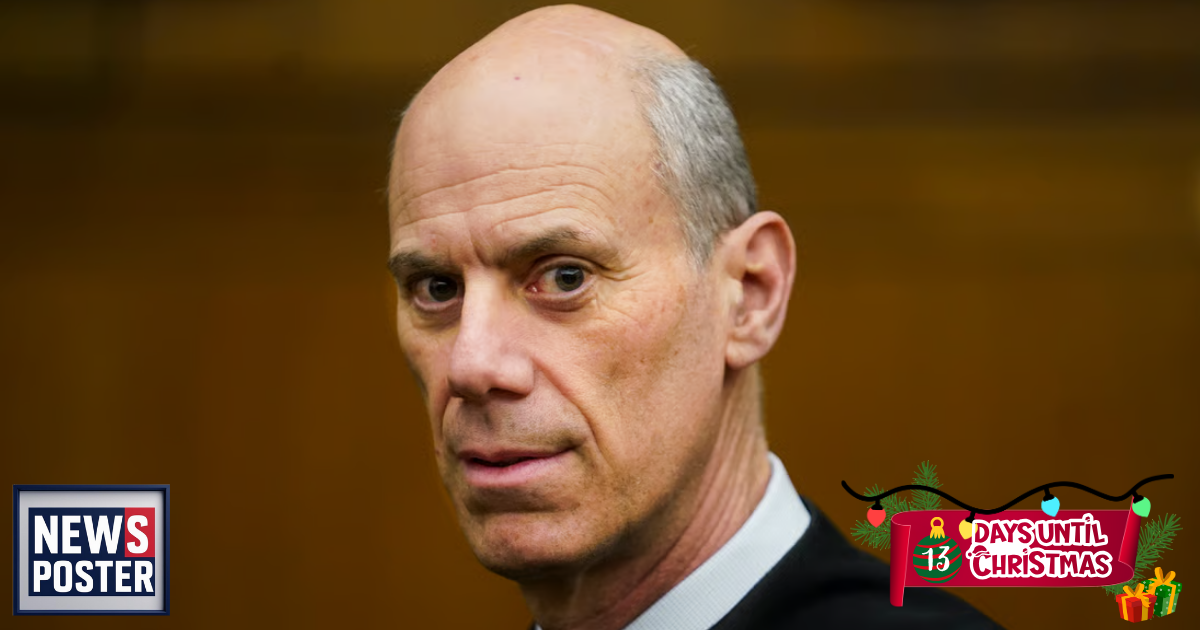
WASHINGTON – The Justice Department filed an urgent request with the D.C. Circuit on Friday to block contempt proceedings scheduled for next week concerning the government’s handling of 137 immigrants deported to El Salvador in apparent violation of court orders. The case stems from a March 15 emergency hearing in which the government refused to turn back two deportation flights, arguing that the judge’s oral orders were not binding.
Chief U.S. District Judge James Boasberg had ordered the DOJ to produce two attorneys for live testimony beginning Monday, December 15, to answer questions about the March 15 flights. Erez Reuveni, a former DOJ attorney and whistleblower, admitted that the deportation of Kilmar Ábrego García on those flights was an “administrative error,” as an immigration judge had previously ruled he would face persecution if returned to El Salvador. Reuveni is scheduled to testify on Monday, while Drew Ensign, deputy assistant attorney general and the DOJ’s lead immigration attorney who represented the government at the March hearing, will testify Tuesday.
In a 38-page brief, the Justice Department described Boasberg’s inquiry as unconstitutional and “idiosyncratic and misguided,” arguing that it threatens attorney-client privilege and the separation of powers. DOJ lawyers contend the district court misinterpreted its temporary restraining order, claiming it only prohibited removals going forward and did not require returning individuals already deported. They also argued that neither Reuveni nor Ensign possesses the personal knowledge necessary to testify on the decision to continue the flights.
Boasberg initially found probable cause for criminal contempt in April, citing what he described as a willful disregard of his order, and allowed the administration a chance to assert custody over the 137 migrants under the Alien Enemies Act. The DC Circuit paused the contempt inquiry until November 14, declining to reinstate Boasberg’s initial finding but leaving open a fact-finding process to identify the decision-makers behind the actions.
The DOJ warned that without intervention, the judge plans to compel extensive testimony from government lawyers subject to cross-examination by opposing counsel, whom the department described as having a partisan interest. Boasberg denied a separate motion to block or limit the inquiry, emphasizing that the case is not merely academic. He highlighted the migrants’ placement in high-security prisons in El Salvador, where many experienced abuse and possible torture, despite court orders.
Boasberg also cited Reuveni’s June whistleblower complaint, in which he alleged that a former DOJ attorney suggested the department could ignore court orders if necessary. The judge rejected the government’s attorney-client privilege arguments, noting that the crime-fraud exception may apply. Attorney General Pam Bondi criticized the contempt inquiry on social media, calling it a “radical, retaliatory, unconstitutional campaign” against the administration and claiming it threatens fundamental governmental principles.
The DOJ additionally requested the D.C. Circuit reassign the case, alleging that Boasberg shows a pattern of bias and retaliation, which they argue prevents him from presiding impartially.