
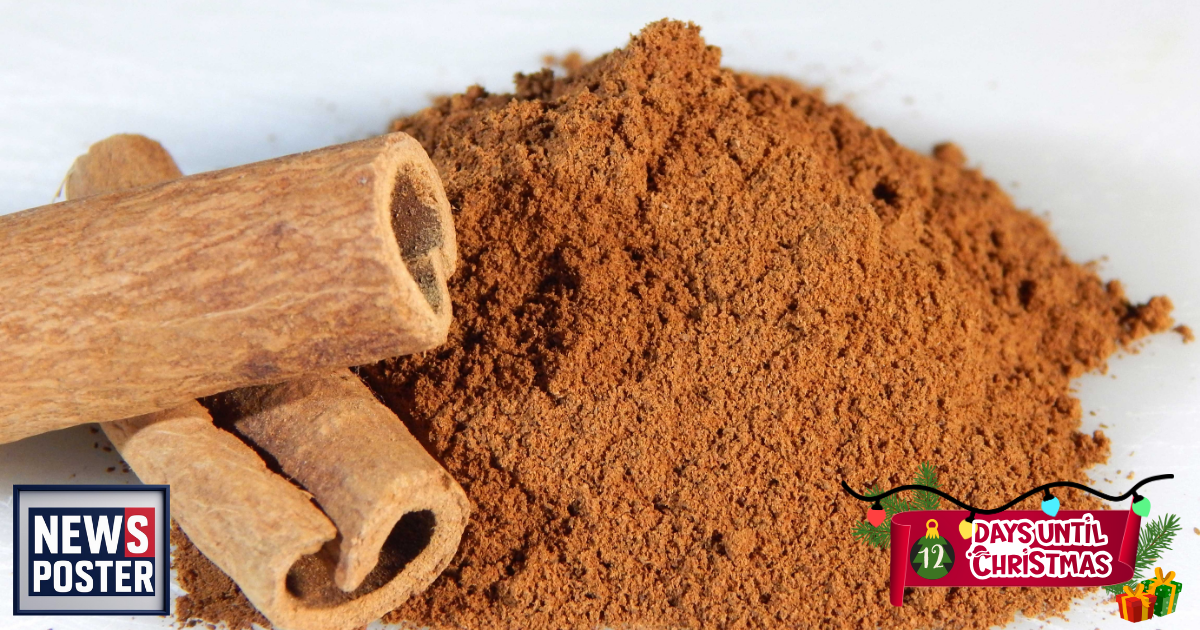
The FDA has expanded its ongoing advisory over elevated lead levels in ground cinnamon, adding Lucky Foods brand Cinnamon Powder to the list of affected products. The advisory, which began in July 2024, now includes a growing number of brands following repeated testing that revealed concerning lead concentrations. The Lucky Foods recall applies to 40-gram packages with a brown label marked “Lucky Foods,” sold between April 11 and Sept. 1 in multiple states, including California, New York, Pennsylvania, Texas, Florida, and several others. The recalled products carry a best-by date of Sept. 15, 2027. No illnesses have been reported, but the recall was triggered after testing identified elevated lead levels. The FDA has also recently added DEVI and BaiLiFeng ground cinnamon to the advisory, joining a list that now includes brands such as Durra, Wise Wife, Jiva Organic, Super Brand, SWAD, Supreme Tradition, La Frontera, Roshni, and several others. One previously listed brand, El Servidor, has since been removed from the updated alert.
Testing conducted by state programs and confirmed by federal officials found lead levels in most affected cinnamon products ranging from just over 2 parts per million to about 7 parts per million, with El Servidor previously testing as high as 20 parts per million. While these levels are far below the extremely high concentrations found last year in contaminated cinnamon apple puree products that sickened hundreds of children, health experts warn that repeated exposure to even small amounts of lead can pose serious long-term risks. Lead can accumulate in the body over time, affecting organs such as the brain, kidneys, liver, and bones, and may contribute to high blood pressure, heart disease, kidney damage, and reproductive problems. Young children are particularly vulnerable, as lead exposure can interfere with brain development and physical growth. Although there is no federal limit for lead in spices, industry guidelines recommend keeping lead in bark spices like cinnamon below 2 parts per million, underscoring ongoing concerns about contamination in widely used food products.