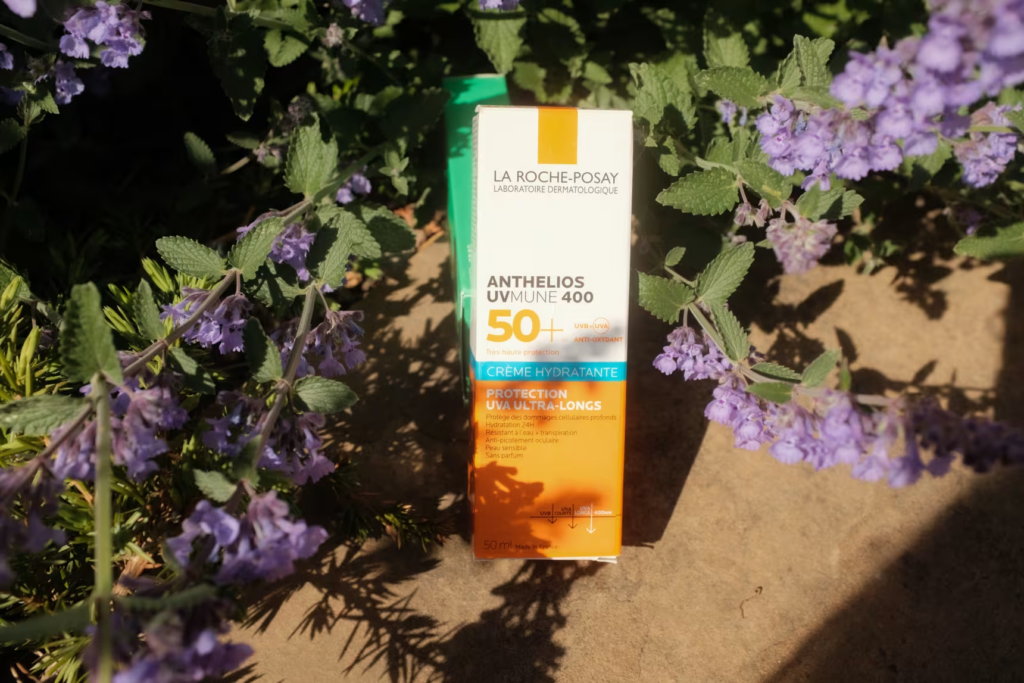
The Food and Drug Administration has proposed allowing U.S. manufacturers to use a new sunscreen ingredient called bemotrizinol, which has already been widely used in Europe, Australia, and parts of Asia. The ingredient has drawn attention from skincare enthusiasts who often seek out broad-spectrum sunscreens when traveling abroad.
Bemotrizinol is a chemical UV filter that blocks both UVA and UVB rays, offering protection against sunburn, skin aging, and skin cancer. Unlike existing chemical filters in the U.S., which typically need to be combined to achieve broad-spectrum coverage and degrade quickly in sunlight, bemotrizinol remains stable and does not break down under sun exposure. Experts say it also has a favorable safety profile, as it does not penetrate the skin or enter the bloodstream, and is generally well-tolerated, even for people with sensitive skin conditions such as acne or eczema. The FDA noted that bemotrizinol would be the first new UV filter approved in the U.S. in more than 25 years.
Regulatory delays in the U.S. are largely due to sunscreen ingredients being classified as over-the-counter drugs, requiring clinical testing for safety and effectiveness, unlike in Europe, where they are considered cosmetics. The FDA’s proposal will undergo a public comment period before a final order is issued. If approved, sunscreen products containing bemotrizinol could reach U.S. stores as early as late 2026.