
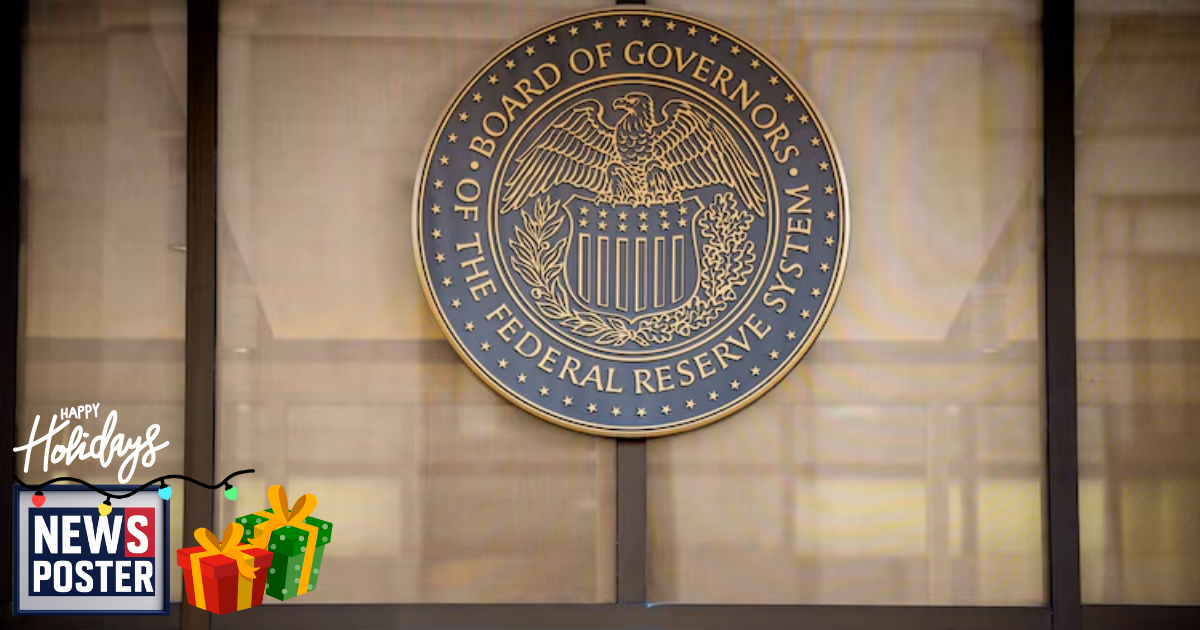
The Federal Reserve is preparing to announce its latest interest rate decision on Wednesday, with expectations mounting for a possible third cut this year aimed at supporting a slowing labor market. Fed officials have expressed uncommon public disagreement over the move, as rising inflation and a slowdown in hiring create the risk of “stagflation,” a scenario where high prices coincide with weak job growth.
The Fed faces a delicate balancing act. Keeping rates steady could help curb inflation driven by tariffs, but might exacerbate the labor market slowdown, while cutting rates to stimulate hiring could further accelerate inflation. Fed Chair Jerome Powell noted in October, “We have one tool. You can’t address both of those at once.” Market sentiment has recently shifted toward a rate cut, with futures indicating an 87% chance of a quarter-point reduction, up from just 30% last month. Mixed jobs data for September, showing moderate hiring alongside a slight rise in unemployment to 4.4%, helped fuel the shift. Fed officials John Williams and Mary Daley signaled openness to a cut, suggesting room for “further adjustment in the near term.” A quarter-point reduction would bring the benchmark rate to 3.5%-3.75%, down from a 2023 peak and offering relief for mortgage and credit card borrowers, though savers would see lower returns on bank deposits.