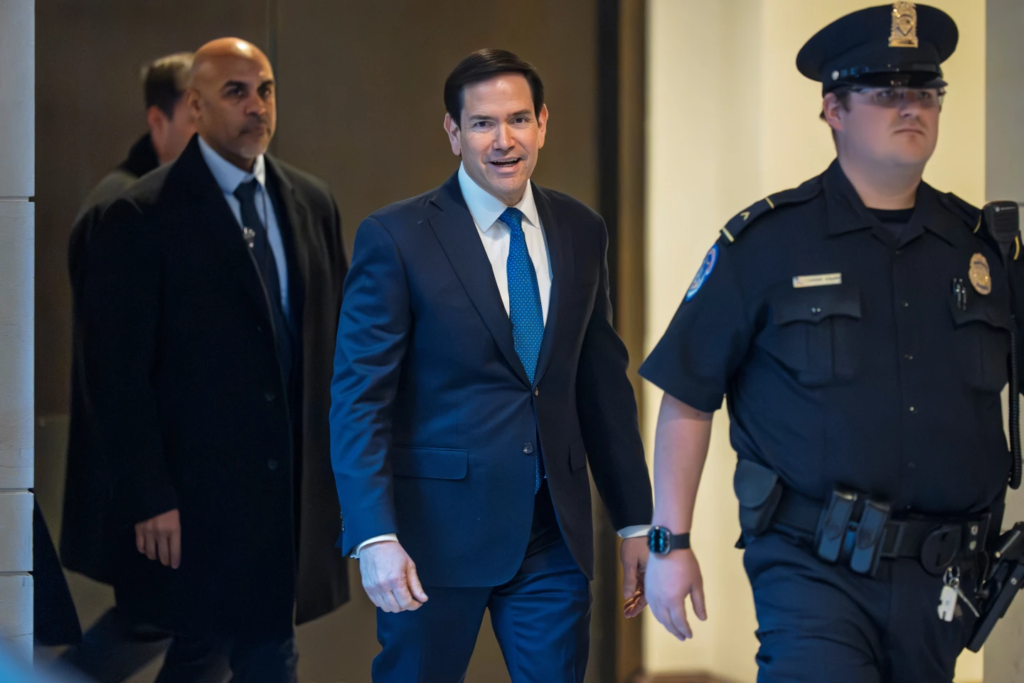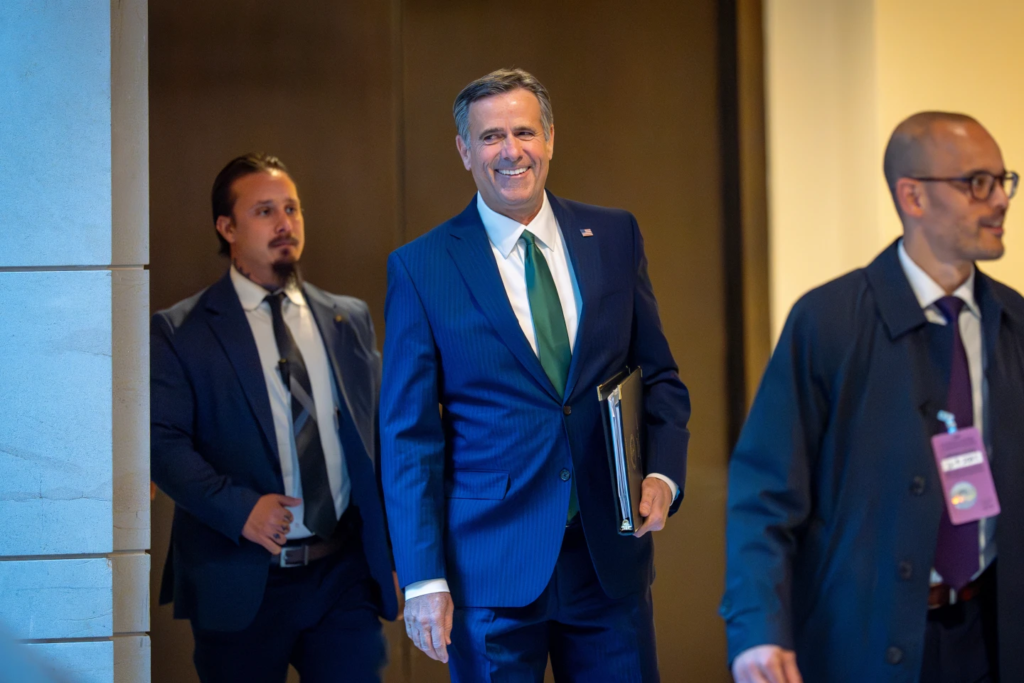

WASHINGTON – Defense Secretary Pete Hegseth faced mounting pressure from lawmakers as he told congressional leaders he was still weighing whether to release the full, unedited video of a deadly September boat strike. The attack, part of President Donald Trump’s aggressive campaign against suspected drug-smuggling vessels near Venezuela, killed two survivors who were clinging to the wreckage of an initial strike. During a closed-door briefing with top lawmakers — alongside the secretary of state and CIA director — Senate Democratic Leader Chuck Schumer pressed Hegseth on whether all members of Congress would be allowed to view the footage. Hegseth replied that the department still needed to “study it,” a response that frustrated lawmakers on both sides of the aisle. Members of Congress say they have a right to a full accounting of the military campaign, especially amid concerns raised by legal experts who argue that the follow-up strike may have violated laws surrounding the use of deadly force.
In a parallel effort to secure answers, lawmakers also met with Adm. Alvin Holsey, who is retiring early as commander of U.S. Southern Command and oversaw the boat strike operations. While he provided some answers, senators said many critical questions remain unresolved, including whether releasing the video would compromise classified information. Congress has taken the unusual step of inserting language into the annual defense bill requiring the Pentagon to turn over unedited footage of all strikes, along with the orders authorizing them. Lawmakers have even threatened to restrict part of Hegseth’s travel budget if he refuses. The push for transparency comes amid broader scrutiny of Trump’s mission, which has resulted in at least 22 boats destroyed and 87 deaths since September. The administration argues that drug-carrying vessels present a national security threat and has used war-on-terror rules to justify lethal force, but lawmakers are questioning both the intelligence behind the strikes and their legality.
Since the administration has publicized short clips of boats erupting in flames on social media, members of Congress are challenging the Pentagon’s claim that the full videos must remain classified. Senior lawmakers from intelligence and armed services committees say the rationale doesn’t add up, noting that partial videos are already being posted publicly. They also worry that the force intended to intercept drugs is instead being used to kill low-level smugglers, shifting the mission far beyond traditional interdiction efforts. Some lawmakers say intelligence related to the September 2 incident raises even more concerns: the destroyed vessel was reportedly moving south, toward another boat bound for Suriname, not toward the United States. Meanwhile, concerns are growing in Congress about the risk of armed conflict, especially as U.S. fighter jets fly closer to Venezuelan airspace.
Despite Republican control of Congress, frustration is rising over the secrecy and scope of the operation. House Speaker Mike Johnson was the only congressional leader who did not attend the classified briefing, an absence that stood out given Congress’ role in authorizing military force. A bipartisan group of senators is preparing a war powers resolution that would restrict Trump’s authority to conduct military action against Venezuela without congressional approval. Some Republicans, including Sen. Rand Paul, argue that the follow-up strike killing wounded survivors violates core principles of military justice, signaling potential cracks in support for the campaign as lawmakers push for more transparency and accountability.