
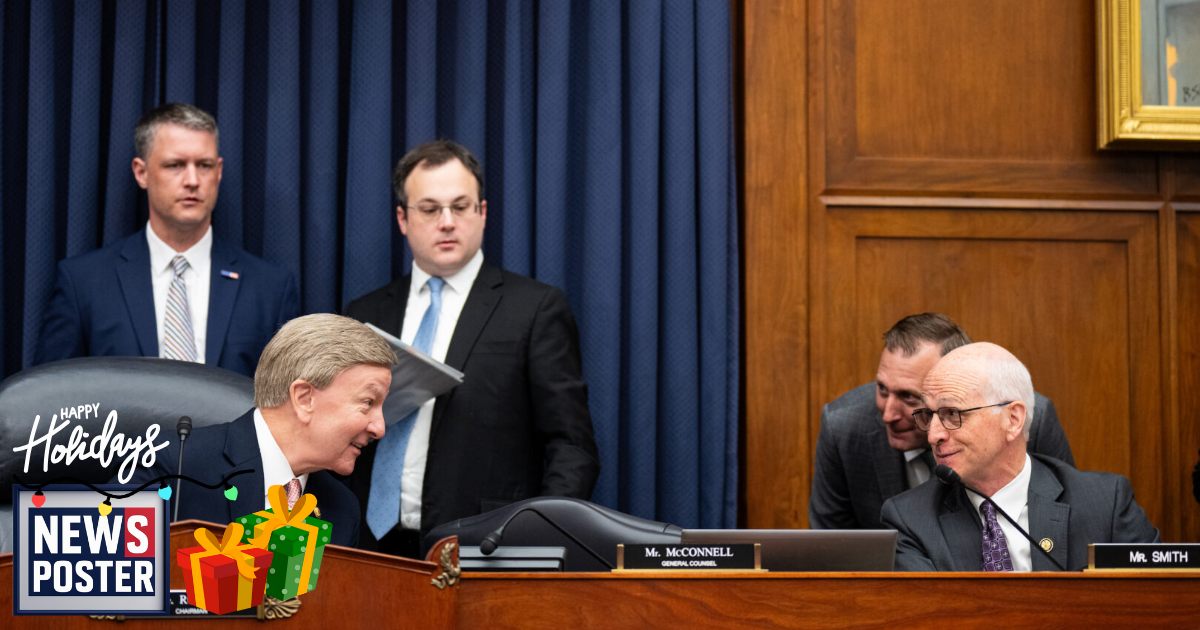
The House on Wednesday passed the fiscal 2026 National Defense Authorization Act (NDAA) with a decisive 312-112 vote, reflecting strong bipartisan support but particularly solid backing from the Republican majority. Republicans voted overwhelmingly in favor, 197-18, while Democratic support was narrower at 115-94. The $900.6 billion defense authorization bill now moves to the Senate, which aims to approve it in time for President Donald Trump’s signature before the end of the year.
Rep. Adam Smith of Washington, the top Democrat on the House Armed Services Committee, acknowledged that the NDAA contains provisions both appealing and controversial to lawmakers, but overall strengthens U.S. national security. Smith noted that he had agreed to include measures he opposed and exclude some he supported to advance the bill for the benefit of military personnel. He also criticized the Pentagon for failing to provide Congress with requested information and oversight access, describing the lack of compliance with prior laws as a significant concern. The legislation authorizes a 3.8 percent pay raise for service members, supports most of the Pentagon’s weapons priorities, overhauls acquisition processes, and includes measures to limit U.S. exports of sensitive technologies to China. At $900.6 billion, the bill exceeds Trump’s request by $8 billion and could push total defense spending toward $1 trillion when combined with previously allocated funds. The measure’s size and content drew opposition from both fiscal conservatives, who objected to funding levels and certain foreign aid provisions, and liberals, who criticized the exclusion of initiatives such as TRICARE fertility coverage, renaming bases named after Confederate officers, and collective bargaining rights for Defense Department civilians.