
JUNEAU, ALASKA – Conservation organizations and an Iñupiat-aligned group filed a lawsuit Thursday seeking to overturn the recent approval of an exploratory drilling program in the National Petroleum Reserve-Alaska. The groups argue that the federal government’s approval was rushed, lacked transparency, and failed to adequately assess potential impacts on caribou and critical habitat areas.
The U.S. Bureau of Land Management approved ConocoPhillips Alaska’s one-year program last month, which includes seismic surveys to identify oil and gas reserves and plans to drill four exploration wells. The activities are slated to take place near existing ConocoPhillips developments, including the Willow oil project. The complaint, filed on behalf of Sovereign Iñupiat for a Living Arctic, the Center for Biological Diversity, and The Wilderness Society, claims the approval process was expedited, with the final decision issued just days after a brief public comment period ended.
The lawsuit alleges that the Bureau of Land Management “pushed this project through without proper analysis or process” and failed to account for significant flaws in the justifications for the program. Defendants named in the case include the Bureau of Land Management, the Department of the Interior, and senior officials including Interior Secretary Doug Burgum. The Interior Department declined to comment on the litigation.
ConocoPhillips Alaska said it remains confident in the “robustness” of its plan and permits, expressing its intent to complete work during the limited winter exploration season. The National Petroleum Reserve, roughly the size of Indiana, has long been the center of debate over how much land should be open to oil development. Efforts to expand drilling, including recent moves to roll back limits set during the Biden administration, have been supported by the state’s Republican congressional delegation and governor but have drawn concern from environmental groups.
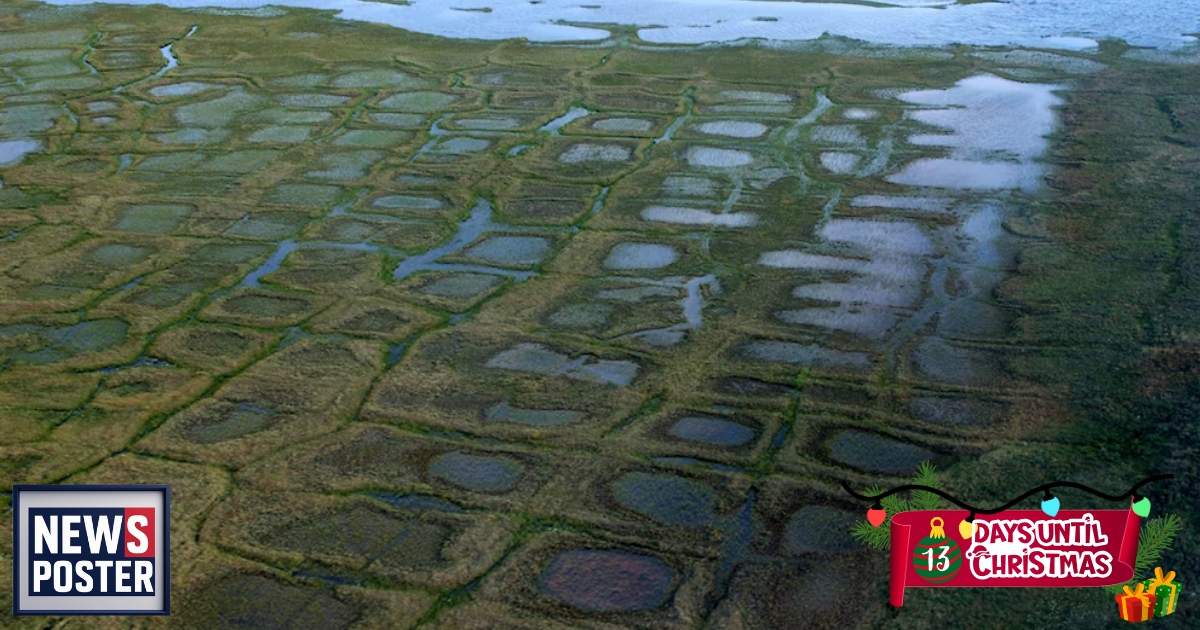
The reserve includes Teshekpuk Lake, the largest lake in Alaska’s Arctic region and the state’s third-largest. Nauri Simmonds, executive director of Sovereign Iñupiat for a Living Arctic, said the program threatens caribou, tundra, and the unity of Iñupiat communities. “Our future depends on protecting our homelands, our unity, and our right to live free from the harms of industrial expansion,” Simmonds said.
The lawsuit notes that operations under the approved program could begin imminently and continue through April or May. While Sovereign Iñupiat for a Living Arctic opposes the project, other Alaska Native groups, including Voice of the Arctic Iñupiat, support drilling in the petroleum reserve.