
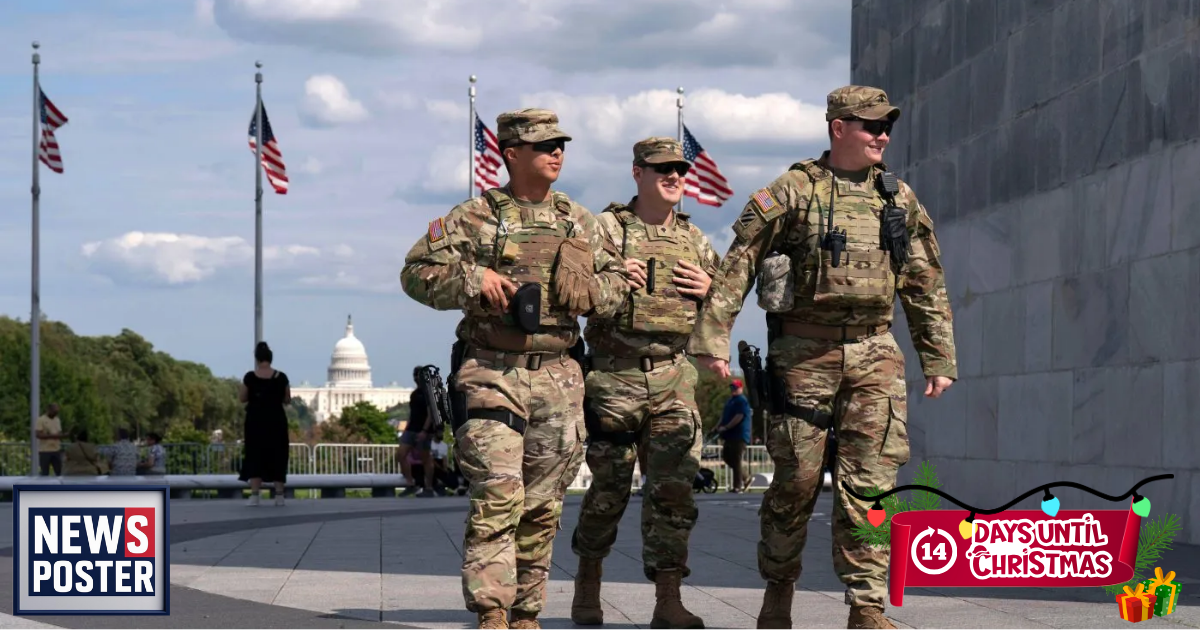
WASHINGTON – Senators are questioning military leaders for the first time about President Donald Trump’s use of the National Guard in U.S. cities, a move that has raised legal challenges and sparked debate over states’ rights and the domestic role of the military.
Thursday’s Senate Armed Services Committee hearing focused on the legality of the deployments, which in several cases occurred over the objections of local mayors and governors. Republican lawmakers defended Trump’s actions as necessary to address crime, while Democratic senators raised concerns about the impact on military readiness, training, and legal accountability.
Sen. Roger Wicker, R-Miss., argued that rising violent crime, rioting, drug trafficking, and gang activity justified the deployments, calling them “essential.” Military officials described the National Guard’s duties as limited and disciplined, emphasizing that personnel are trained in community policing and may use force only in self-defense. According to Gen. Gregory Guillot, commander of U.S. Northern Command, only one civilian has been detained by Guard members since the deployments began.
Sen. Tammy Duckworth, D-Ill., a combat veteran and former Illinois National Guard member, criticized the domestic deployments, saying they are unprecedented in scale and purpose, noting that Guard duties traditionally focus on natural disasters rather than assisting immigration enforcement. Duckworth questioned how the deployments affect military readiness and whether service members would be legally protected if civilians were harmed during operations.
The hearing follows recent incidents, including the Nov. 26 shooting of two West Virginia National Guard members in Washington, D.C., which left Spc. Sarah Beckstrom is dead, and Staff Sgt. Andrew Wolfe is hospitalized.
Legal challenges have also mounted. A federal judge in California issued a preliminary injunction blocking the Trump administration from deploying California National Guard troops in Los Angeles for immigration enforcement without Gov. Gavin Newsom’s approval. The decision was temporarily stayed pending appeal. Trump had called up over 4,000 California Guard members in June, marking the first time in decades a state’s National Guard was activated without a governor’s request. Troops were stationed outside federal detention centers and later deployed on the streets to support immigration officers. By late October, the number had decreased to several hundred, with the remaining troops guarding federal buildings or bases rather than participating directly in enforcement.
Trump also deployed National Guard members to Washington, D.C., Illinois, Oregon, Louisiana, and Tennessee. Courts have blocked or limited deployments in Portland and Chicago, and troops have not yet been sent to New Orleans. The hearing represents the most extensive congressional scrutiny of Trump’s domestic National Guard operations outside of the courtroom.