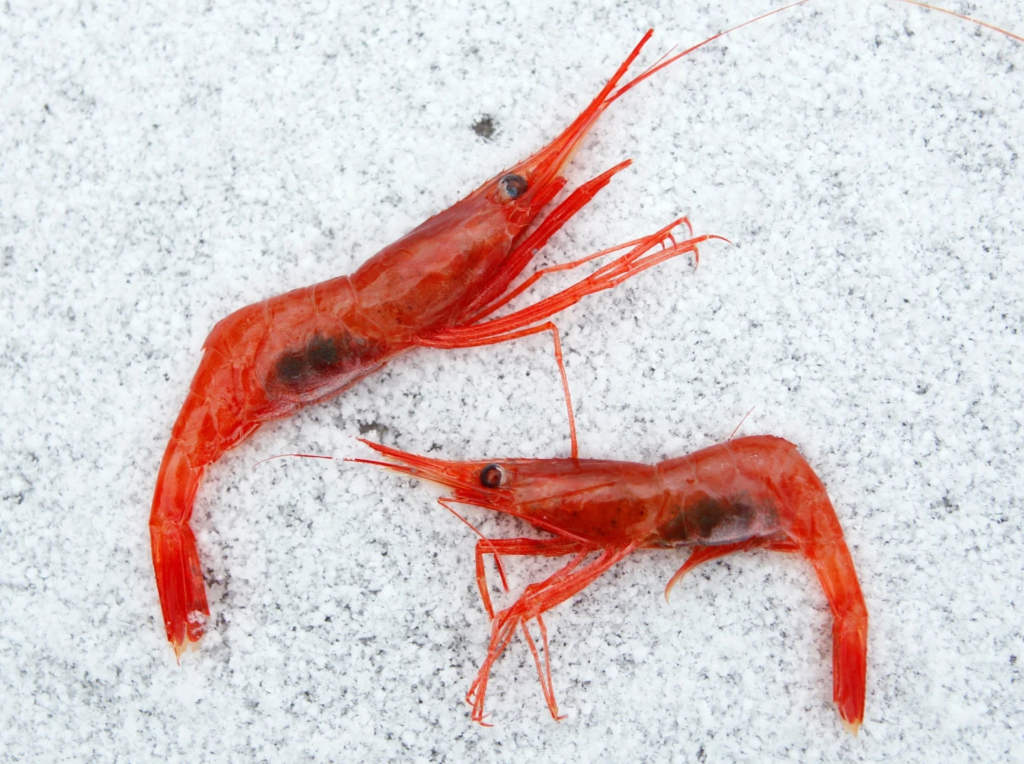
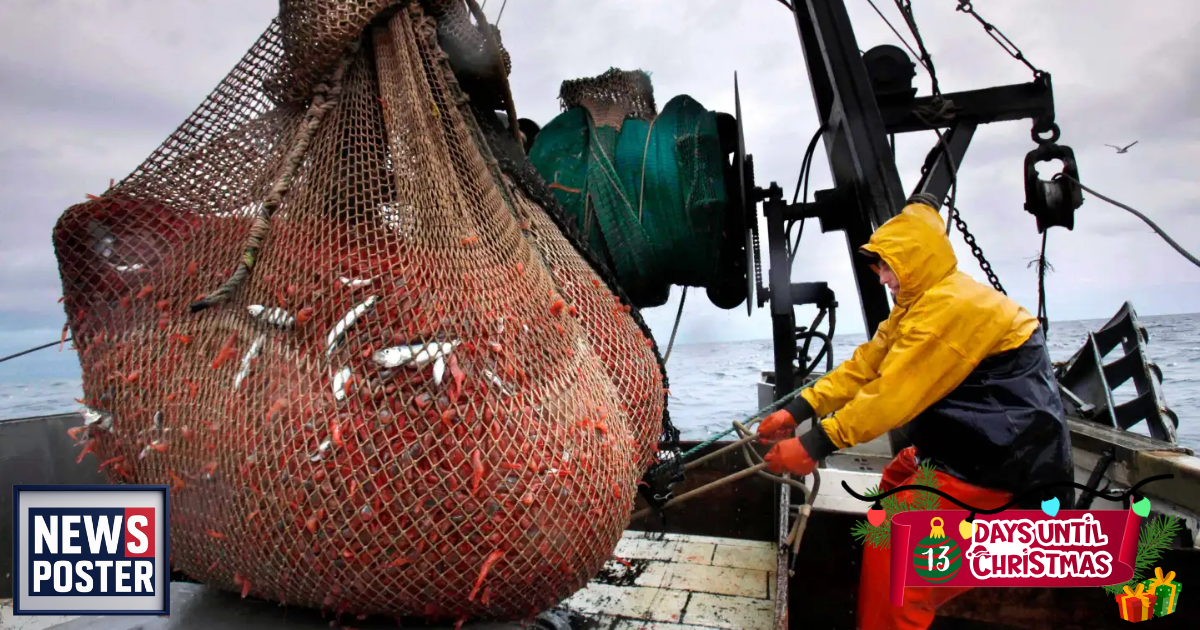
PORTLAND, MAINE – Regulators have opted to keep New England’s shrimp fishery closed for the foreseeable future, extending a shutdown that has already lasted more than a decade and has come to symbolize the region’s struggle with rapid environmental change. The vote, taken Thursday by the panel overseeing the fishery, reaffirmed that the once-robust population of northern pink shrimp remains far too depleted to support commercial harvesting. Scientists monitoring the Gulf of Maine reported that shrimp numbers were still alarmingly low this year, even though ocean conditions showed slight improvement. Years of warming waters have pushed the species to the brink, altering habitat conditions so drastically that the shrimp have struggled to reproduce and survive. As part of a limited sampling program meant to gather updated data, fishermen were permitted to deploy small-scale test nets this winter. The effort produced a stark illustration of how dire the situation has become: after enduring bouts of rough winter weather, participating crews reported catching just 70 shrimp—less than three pounds in total—an amount so small that regulators described it as further evidence of the species’ ongoing collapse.
The decision to continue the shutdown marks another setback for fishermen who once relied on this seasonal fishery and who remembered it as a prized winter tradition. For decades, Maine’s fleet in particular hauled in millions of pounds of the small pink crustaceans each season, supplying a regional delicacy that was considered one of the cold-water shrimp industry’s most distinctive products. At its peak, the fishery produced more than 10 million pounds in a single year, contributing to the broader U.S. market for wild-caught shrimp. But the decline set in rapidly: by 2013, Maine’s annual catch plunged to under 600,000 pounds, a staggering drop from the strong harvests of the year before. Since the moratorium began in 2014, some fishing groups have periodically pushed for a limited reopening to keep the tradition alive, yet the continuing collapse of shrimp stocks has made such efforts untenable. Most former shrimp harvesters have shifted to other fisheries, leaving only the lingering hope that colder waters—or a prolonged period of environmental recovery—might someday restore the conditions needed for the species to rebound.