
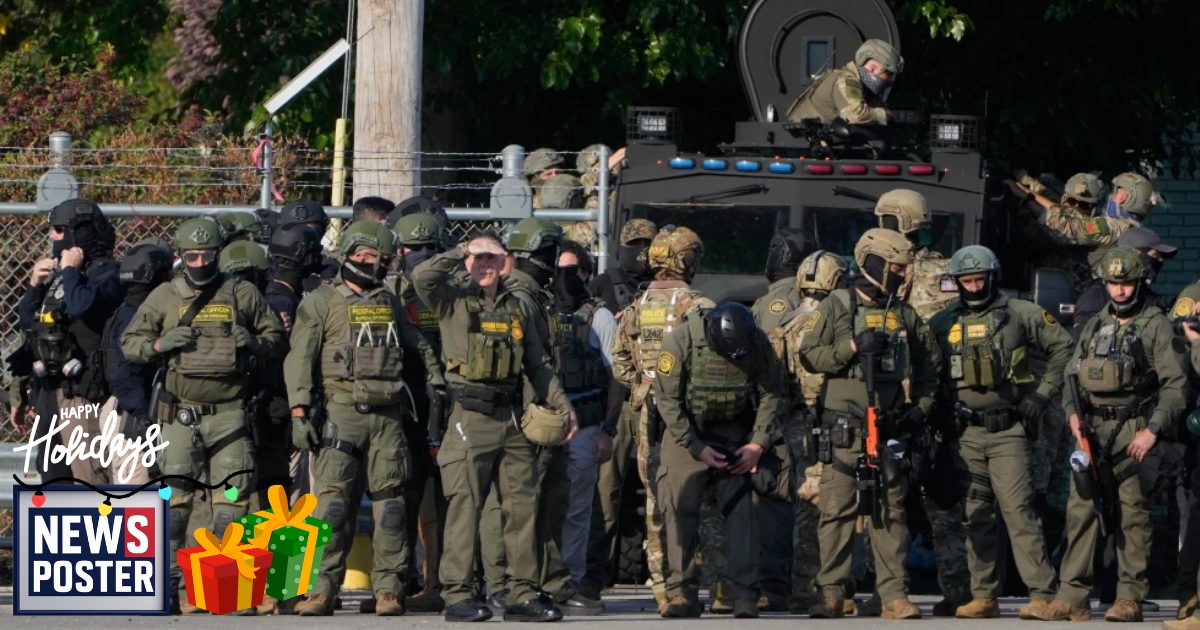
CHICAGO, ILLINOIS – A coalition of protesters, journalists, and faith leaders filed to dismiss their lawsuit Tuesday, challenging the aggressive tactics of federal immigration officers in the Chicago area, citing that the Trump administration’s “Operation Midway Blitz” has largely concluded. The plaintiffs framed the move as a victory, though the case had been facing a potentially skeptical appeals court.
The court filing noted that federal officers led by senior Border Patrol official Gregory Bovino “are no longer operating in the Northern District of Illinois,” following Bovino’s departure to North Carolina last month. While sporadic immigration arrests by other federal agents have continued, attorney David Owens, representing the plaintiffs, said, “We got the relief that we were looking for. They left. When the emergency goes away, things change.” The filing also referenced a detailed 223-page opinion from U.S. District Judge Sara Ellis, issued last month, which restricted federal agents’ use of force. The preliminary injunction had been partially challenged by the 7th U.S. Circuit Court of Appeals, which called it “overbroad” but suggested a faster appeal could produce a “more tailored and appropriate” ruling.
The original injunction stemmed from a lawsuit filed by news outlets and protesters who said federal officers used excessive force during the immigration crackdown, which resulted in over 3,000 arrests since September across Chicago and its suburbs. Ellis’ order limited agents from using physical force or chemical agents like tear gas and pepper balls except to prevent immediate threats, noting that prior practices violated the constitutional rights of journalists and protesters.
Attorney Steve Art praised the outcome, stating, “Because of the work of many Chicagoans, including the brave plaintiffs in this case, the brutality of Operation Midway Blitz was carefully documented, the constitutional rights of civilians were vindicated, and the Trump administration’s justifications were exposed as blatant lies. Judge Ellis’s opinion stands as a defining document of our time.” DHS and Border Patrol had defended the operation, arguing that agents targeted criminals and sometimes faced hostile crowds.
The case also revealed extensive new information about the Chicago-area operation through private interviews, body camera footage, and witness testimony. Ellis’ opinion described agents launching tear gas without warning, targeting reporters with rubber rounds, tackling protesters, and laughing as a demonstrator bled — behaviors she said directly contradicted the government’s own accounts.