
Leanna Munir was a lively 6-year-old until her energy suddenly vanished, leaving her parents worried. Repeated colds and unexplained fatigue initially led doctors to suspect common illnesses like strep throat, but further testing revealed a far more serious diagnosis: leukemia.
Now 8, Leanna has made a full recovery and is thriving, thanks to breakthroughs in pediatric cancer treatment, including immunotherapy. She is among thousands of children benefiting from advances that have dramatically improved survival rates. Between 2015 and 2021, the five-year survival rate for all pediatric cancers in the U.S. rose to 87%, compared with just 63% in the mid-1970s. Pediatric cancer deaths have declined significantly over the past five decades, reflecting both innovative therapies and improved care.
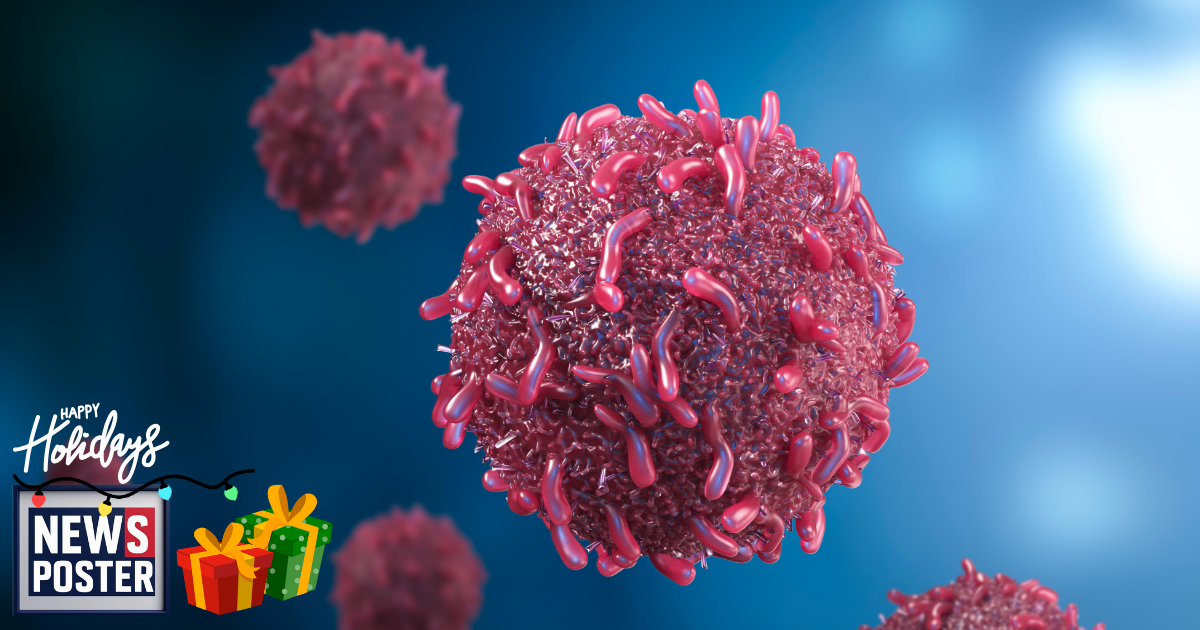
Leanna’s treatment included CAR T-cell therapy, a groundbreaking immunotherapy that engineers a patient’s own T-cells to target cancer. After standard chemotherapy proved ineffective due to a genetic mutation that made her cancer resistant, her medical team used the therapy to reprogram her immune cells. Leanna received her first infusion in November 2024, and within weeks, her leukemia began to disappear. The treatment was gentle on her body, sparing her from many of the side effects of chemotherapy and enabling her to return to normal childhood activities.
While progress has been remarkable, challenges remain. Some cancers, such as certain gliomas and sarcomas, continue to have poor survival rates, and childhood cancer survivors face elevated risks of long-term health issues. There are also disparities in outcomes, with Hispanic children having the highest cancer rates and Black children 30% more likely to die from certain pediatric cancers. Access to specialized care remains limited for children in rural or low-income areas.
The latest report on pediatric cancers emphasizes the importance of continued research, international collaboration, and sustained federal funding to ensure that all children benefit from ongoing advances. For families like Leanna’s, these breakthroughs have made life-changing outcomes possible, transforming what once seemed like a bleak prognosis into hope for a healthy future.