
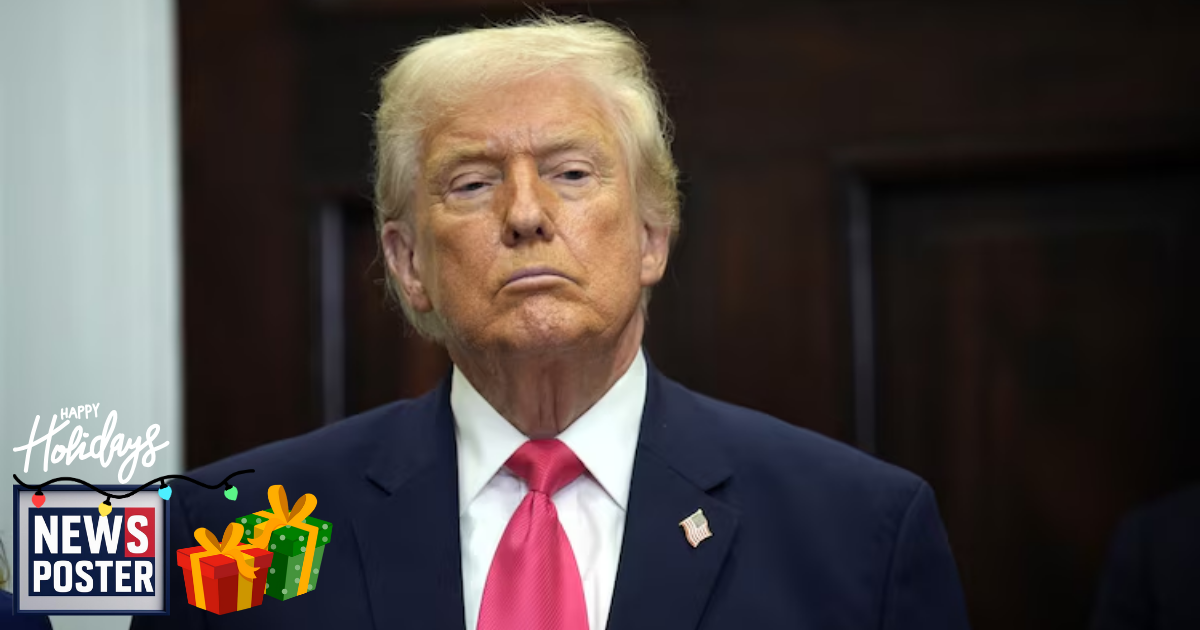
For over a century, independent government agencies have operated with a degree of autonomy, overseeing key aspects of American life such as monetary policy, stock trading, transportation, elections, consumer safety, and broadcast licensing without direct presidential control. A major Supreme Court case set for Monday could significantly alter that longstanding structure, potentially reshaping the federal government by removing the bipartisan safeguards and continuity of policy Congress intended when creating these agencies.
The case centers on President Donald Trump’s effort to remove Rebecca Slaughter, a Democrat, from the Federal Trade Commission, arguing that her service conflicted with the administration’s priorities. Slaughter, appointed to a seven-year term in 2023, and lower courts have maintained that her removal was illegal under federal law, which allows presidents to remove commissioners only for “inefficiency, neglect of duty, or malfeasance in office.” Trump contends that the arrangement is unconstitutional, asserting that the president must have full authority over the leadership of agencies that set policy and enforce regulations. Legal experts warn that if Trump prevails, presidents could gain unrestricted power to dismiss independent agency members, potentially ending the agencies’ long-protected independence. The ruling could also impact other officials Trump has attempted to remove from agencies like the National Labor Relations Board, Merit Systems Protection Board, Consumer Financial Protection Bureau, and Federal Reserve, with widespread implications for regulatory oversight, enforcement, and policy stability. A decision in both the FTC case and a related Federal Reserve case is expected before the Supreme Court’s term concludes in June 2026.