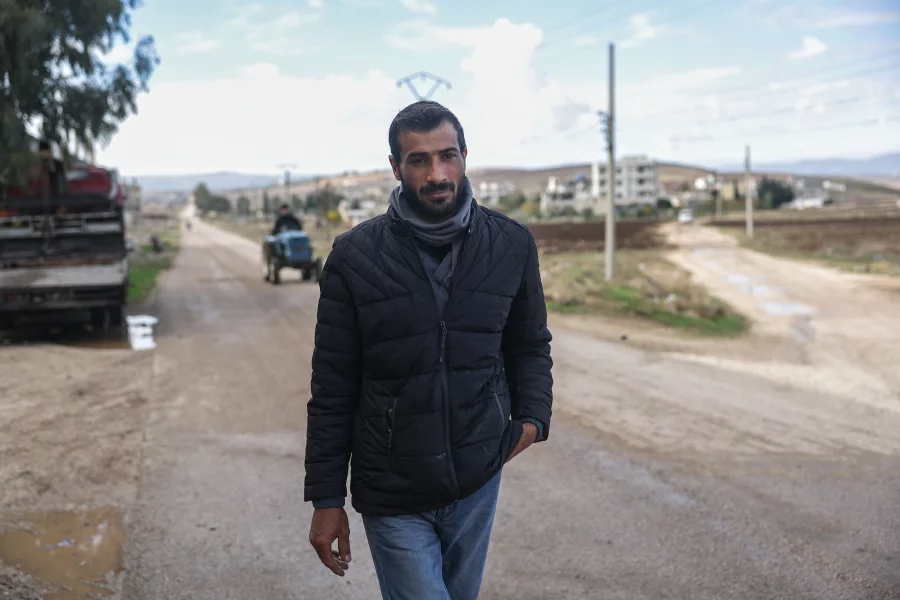
HOMS, SYRIA – A year ago, Mohammad Marwan walked out of Syria’s notorious Saydnaya prison, barefoot and disoriented, as rebel forces advancing on Damascus opened its gates. Arrested in 2018 for evading compulsory military service, Marwan had spent six years cycling through multiple detention centers, enduring harsh treatment and brutal conditions that left lasting scars.
His return home to Homs province on Dec. 8, 2024, was a moment of joy, but the year since has been marked by ongoing struggles to recover physically and mentally. Marwan has battled tuberculosis and severe anxiety, and he continues therapy at a Homs rehabilitation center. “We were in something like a state of death in Saydnaya. Now we’ve come back to life,” he said.
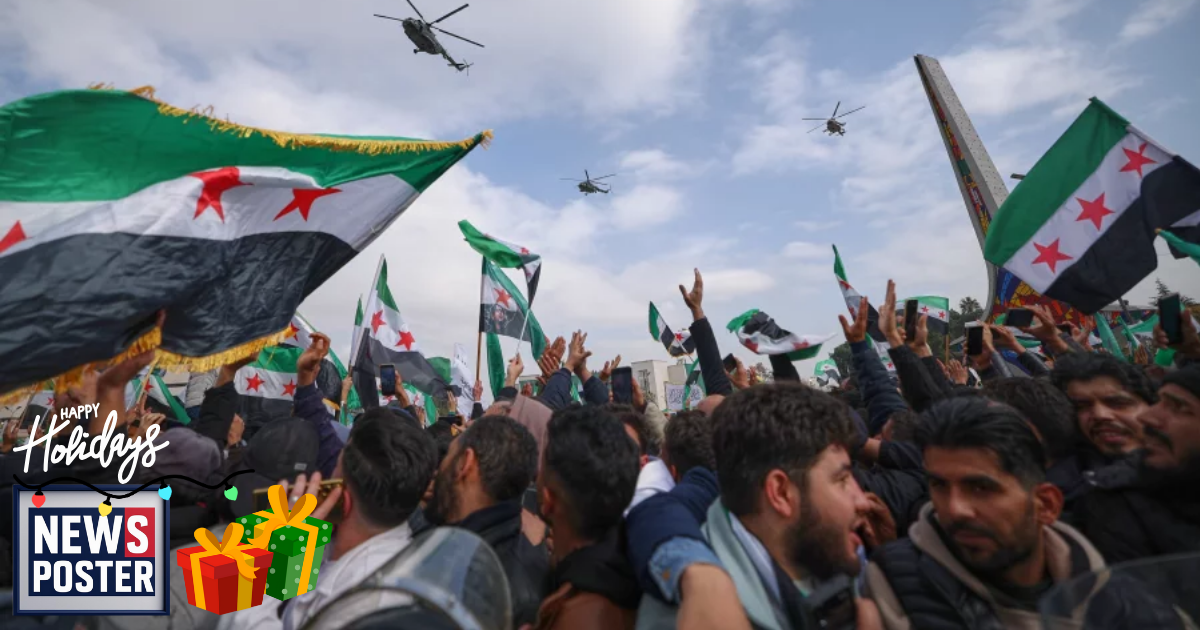
Syria itself is grappling with the aftermath of 50 years under Assad, who was ousted after a 14-year civil war that killed hundreds of thousands and displaced millions. Rebel forces, led by Hayat Tahrir al-Sham under interim president Ahmad al-Sharaa, captured Damascus on Dec. 8, 2024, while Assad fled to Moscow. Russia has since maintained ties with the new government without intervening militarily.
Al-Sharaa has pursued diplomacy abroad, becoming the first Syrian president since independence to visit Washington, and seeking recognition from Western and Arab nations. Yet internally, Syria faces renewed sectarian violence, tensions with Kurdish forces, Israeli incursions, and landmine hazards that have killed hundreds since Assad’s departure.
The economy and infrastructure remain fragile. While Gulf states have promised reconstruction aid, most rebuilding has been undertaken by individual homeowners and business owners. In Damascus’s Yarmouk Palestinian camp, residents are returning slowly, repairing structures damaged in past conflicts, but comprehensive redevelopment remains distant.
Marwan, despite improved health, struggles economically, earning only a few dollars a day through occasional labor. He hopes to complete his treatment and then leave for Lebanon in search of better work, reflecting the broader challenges Syrians face in rebuilding their lives amid lingering insecurity and slow recovery.