
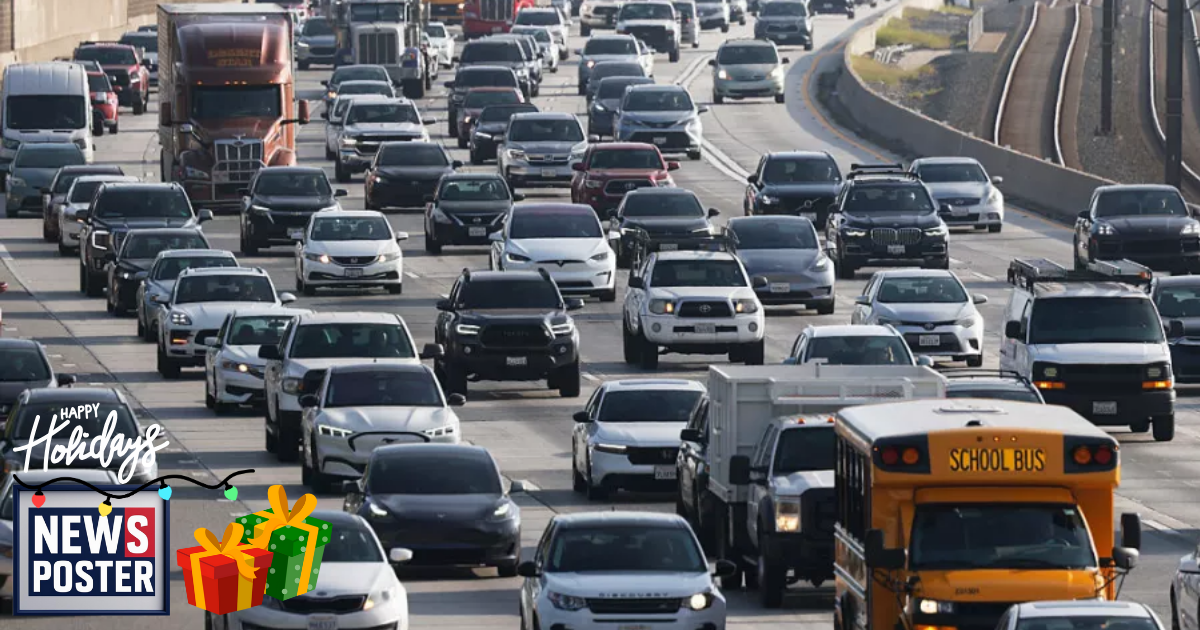
Traffic congestion in the U.S. has reached record levels in 2024, spreading to more hours of the day and more days of the week, according to recent research. San Diego, for example, has seen a sharp increase in delays, with commuters reporting frustration as traffic seems constant. After dropping during the COVID-19 pandemic, congestion has now equaled or surpassed pre-pandemic levels, with the average American spending 63 hours per year stuck in traffic.
Experts note that rush hours remain the worst times to drive, but traffic delays are occurring at other times of day as well, and weekends are increasingly affected. Patterns have shifted, with Mondays lighter than other weekdays and Thursdays approaching Fridays as the busiest day. Truck traffic is also contributing more to congestion, returning to near pre-pandemic levels. San Diego experienced the largest percentage increase in commuter delays since 2019 at over 37%, followed by Miami, Phoenix, and the San Francisco Bay Area, while Los Angeles still leads with the most hours lost to traffic. Some regions, such as Washington, D.C., have seen declines in congestion, possibly due to remote work and dynamic tolling strategies. Other cities, including New York, have implemented congestion pricing plans, charging drivers for entering busy zones, which have shown early success in reducing traffic within those areas.