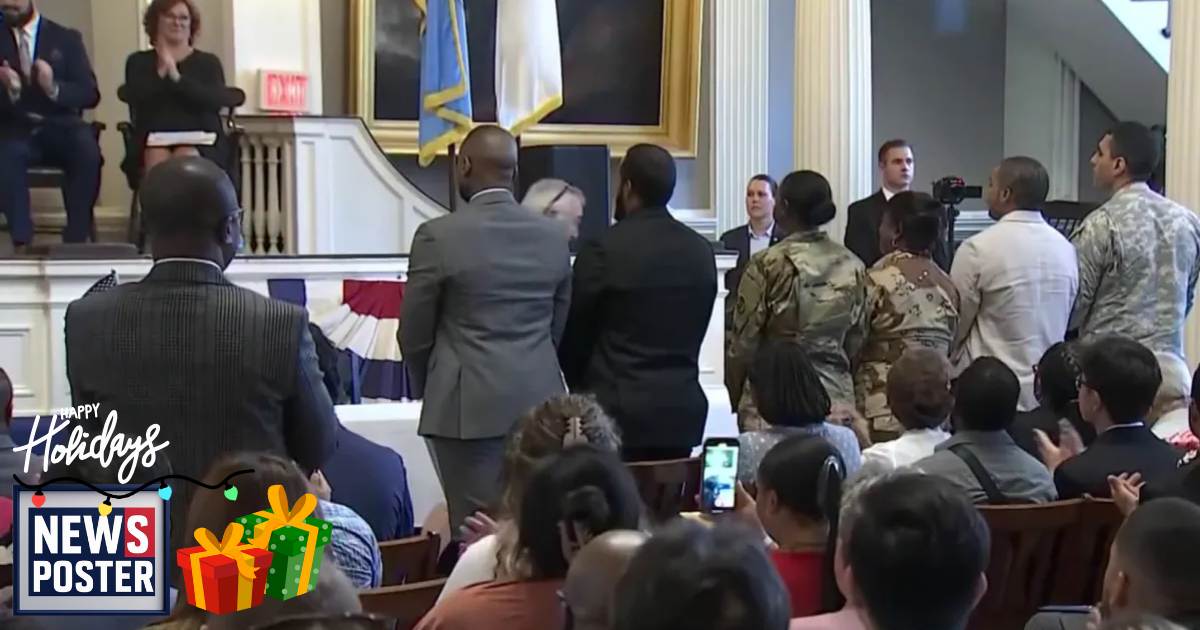
Several immigrants scheduled to take their citizenship oaths at Boston’s Faneuil Hall last week were told they could not proceed because of their countries of origin, part of a broader pattern occurring nationwide.
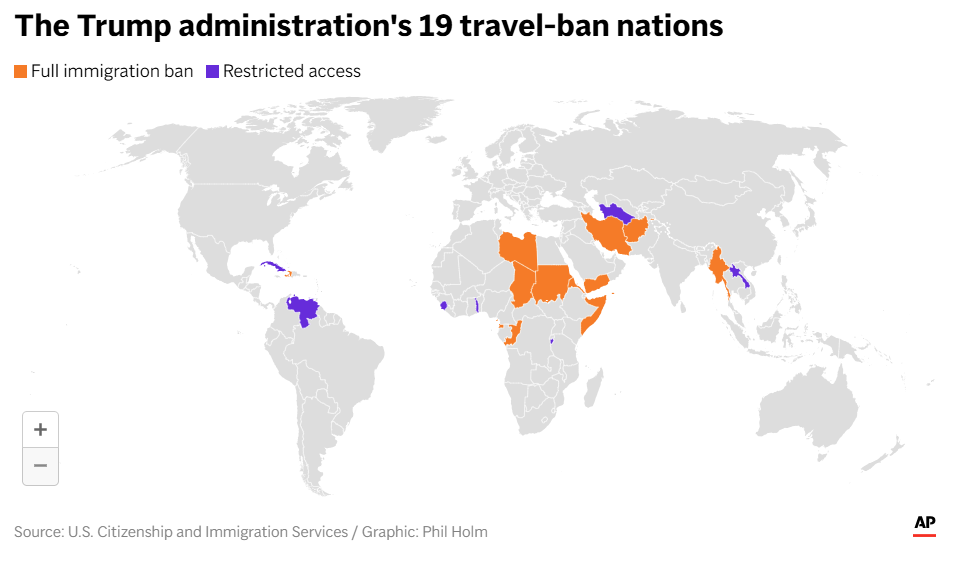
U.S. Citizenship and Immigration Services has directed employees to pause naturalization pathways for people from 19 countries considered high risk, including Afghanistan, Cuba, Venezuela, Haiti, and Somalia. The naturalization ceremony is the final step in a process that can take years to complete.
The Massachusetts Immigrant and Refugee Advocacy Coalition (MIRA) said five people they have been assisting received cancellation notices, while another 40 now face uncertainty about their path to citizenship. “At least 45 people MIRA has been supporting for months as they navigate the complicated and extensive American immigration and naturalization system have been impacted by these latest abrupt changes,” MIRA Executive Director Elizabeth Sweet said. She described the decision as “crass, cruel, and arbitrary,” adding that those affected are “disheartened, devastated, and rightly outraged.”
Some immigrants were notified of cancellations through an online portal, though the messages offered little guidance. Advocates said the notices have been issued on a rolling basis, leaving some people unaware until they arrive at their ceremony. Gail Breslow, executive director of Project Citizenship, said one client who has lived in the U.S. for more than 20 years was informed at the door that she would not become a citizen. “She’s devastated and anxious, as are many of our clients who have been affected in this way,” Breslow said.
Boston Mayor Michelle Wu criticized the situation over the weekend. “It’s despicable and deeply painful to see this happening across the country, but to feel it at the ‘cradle of liberty’ in Boston at Faneuil Hall—a place that represents the foundation of this country and its core values—is especially troubling,” Wu said.
Becoming a U.S. citizen typically takes three to five years and requires an application, an interview, a test, and payment of hundreds of dollars in fees. Citizenship allows individuals to travel freely, vote, and petition for family members to join them in the U.S., advocates said.
USCIS said the pause in naturalization is part of efforts to strengthen screening processes and prevent criminals from entering the country. “We changed that approach on day one of the Trump administration. Under President Trump, we are building more protective measures that ensure fraud, deception, and threats do not breach the integrity of our immigration system,” USCIS Director Joseph B. Edlow said in a press release announcing a new screening center in Atlanta.