
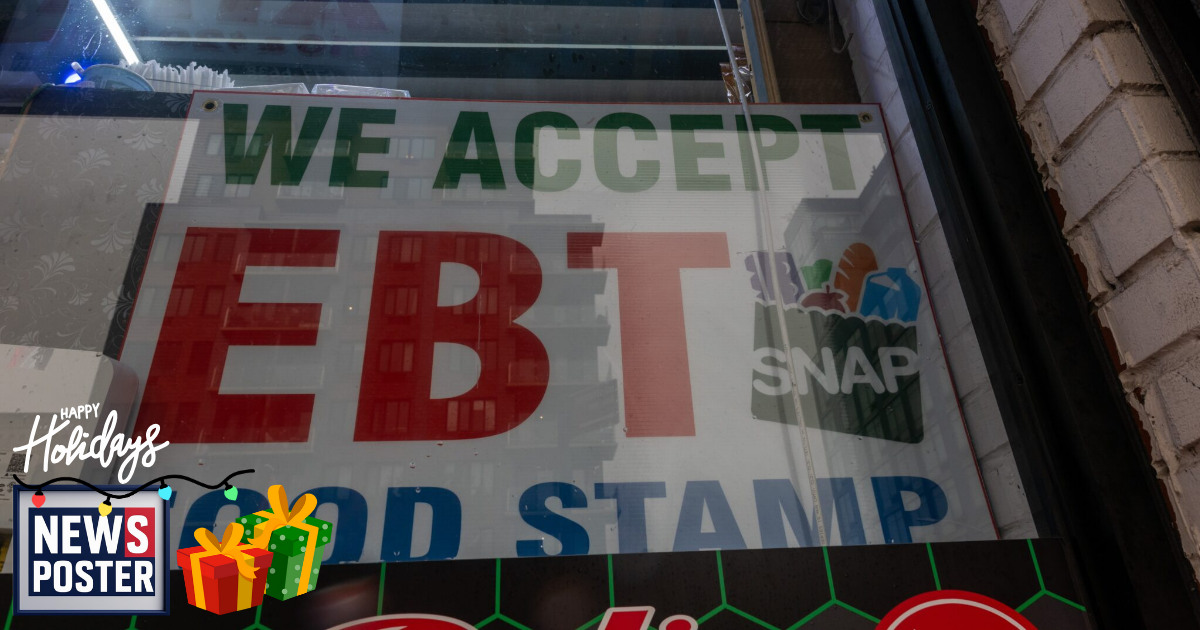
The U.S. Department of Agriculture announced Tuesday that it will begin withholding nutrition assistance funding from states led by Democrats that have not provided the requested data on fraud in the Supplemental Nutrition Assistance Program (SNAP), also known as food stamps. USDA Secretary Brooke Rollins told President Donald Trump at a Cabinet meeting that the department needs the data to address what she described as “rampant” fraud in a program serving 42 million Americans.
Rollins said most states complied with the request, but 21 — later cited as 22 by USDA — have not. The states include Arizona, California, Colorado, Connecticut, Delaware, Hawaii, Illinois, Kansas, Kentucky, Maine, Maryland, Massachusetts, Michigan, Minnesota, New Jersey, New Mexico, New York, Oregon, Pennsylvania, Rhode Island, Washington, and Wisconsin. A USDA spokesperson said the department is targeting administrative funds first and that formal warnings will follow if states fail to comply. The move comes as the states have filed a lawsuit challenging the request for data, which includes verification of SNAP eligibility and personal information such as Social Security numbers.
Democratic lawmakers criticized the plan, calling it illegal and accusing the administration of “weaponizing hunger.” House Agriculture Committee Democrats said SNAP has one of the lowest fraud rates of any federal program, citing USDA data showing only about 0.1% of households were referred for review in 2023. Critics note that recipients in the country illegally have never been eligible for benefits, and the types of fraud Rollins cited are extremely rare.
The USDA estimates that losses from undetected errors and fraud could total as much as $24 million per day, potentially up to $9 billion per year. The Trump administration has repeatedly targeted SNAP during his second term, including proposals to require recipients to reapply and new federal work requirements under recently passed Republican legislation. Advocates warn that these measures could lead to reduced benefits and increased administrative costs for states, particularly those already resisting the department’s data requests.