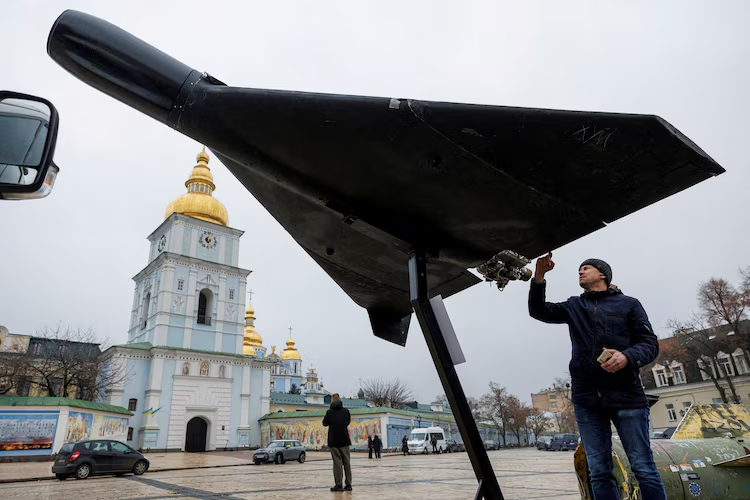
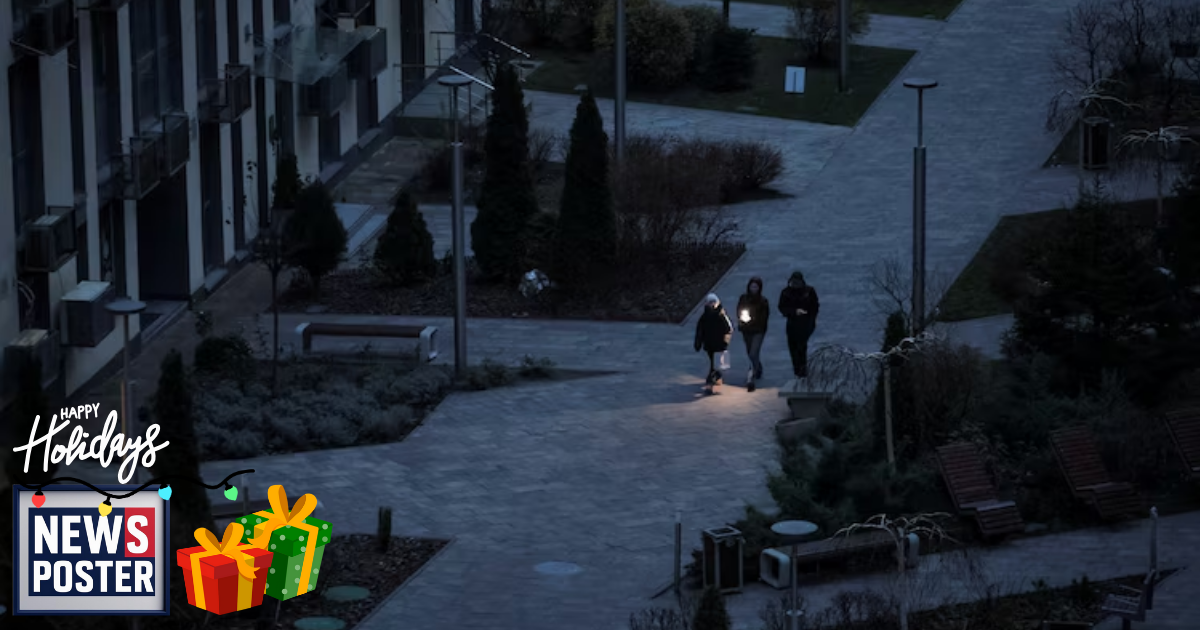
Millions of Ukrainians are facing rolling blackouts and bitter cold as Russian drones and missiles continue a relentless campaign targeting the country’s energy infrastructure for the fourth winter in a row. Even at Kyiv’s Naftogaz headquarters, emergency generators are keeping the lights on, highlighting the strain on the nation’s energy system.
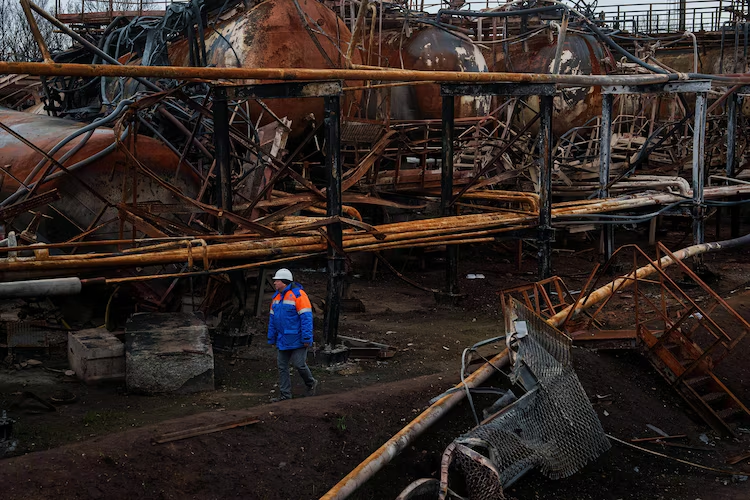
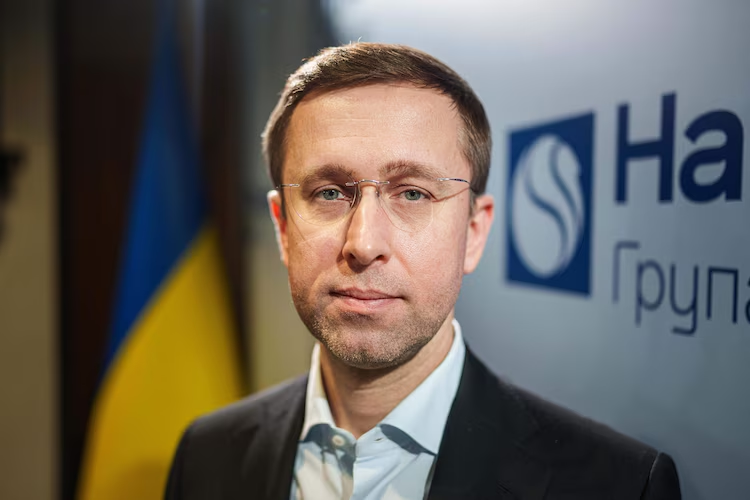
Naftogaz CEO Sergii Koretskyi said that in some areas, power outages are lasting four to 10 hours daily, and the attacks have caused extensive damage to gas production and storage facilities, with repair costs exceeding $3 billion. Ukrainian officials report that Russia’s assaults often involve hundreds of drones and multiple missiles, aiming to disrupt civilian life by targeting infrastructure that supports energy supply and heating. Ukraine has responded with its own long-range strikes against Russian energy facilities, which help fund Moscow’s military operations.
Rolling blackouts now affect almost every region of Ukraine, leaving millions with limited power and heating. Roughly 80% of Ukrainian households rely on gas for warmth. Naftogaz estimates that the country will need to import 4.4 billion cubic meters of gas by the end of the heating season to compensate for damaged infrastructure, at a cost of around $2.2 billion. The government is working with private gas suppliers, particularly in the U.S., and has already imported over 500 million cubic meters of liquefied natural gas, with plans to bring in more in 2026.
The combination of frequent attacks and complex infrastructure needs has made recovery both costly and time-consuming. Naftogaz has identified nearly 190 pieces of equipment required for repairs and strategic reserves, with an estimated price exceeding $900 million. Delivery and installation of necessary equipment could take eight to 18 months, meaning Ukraine must prepare for the current and next winter.
Despite these challenges, Ukrainian leaders stress the resilience of the population. Koretskyi said citizens recognize the ongoing threat and the need for constant adaptation. With attacks continuing and heating systems frequently disrupted, Ukraine faces a grueling winter under siege, with survival dependent on rapid repairs, international support, and the country’s ability to endure nearly four years of ongoing conflict.