
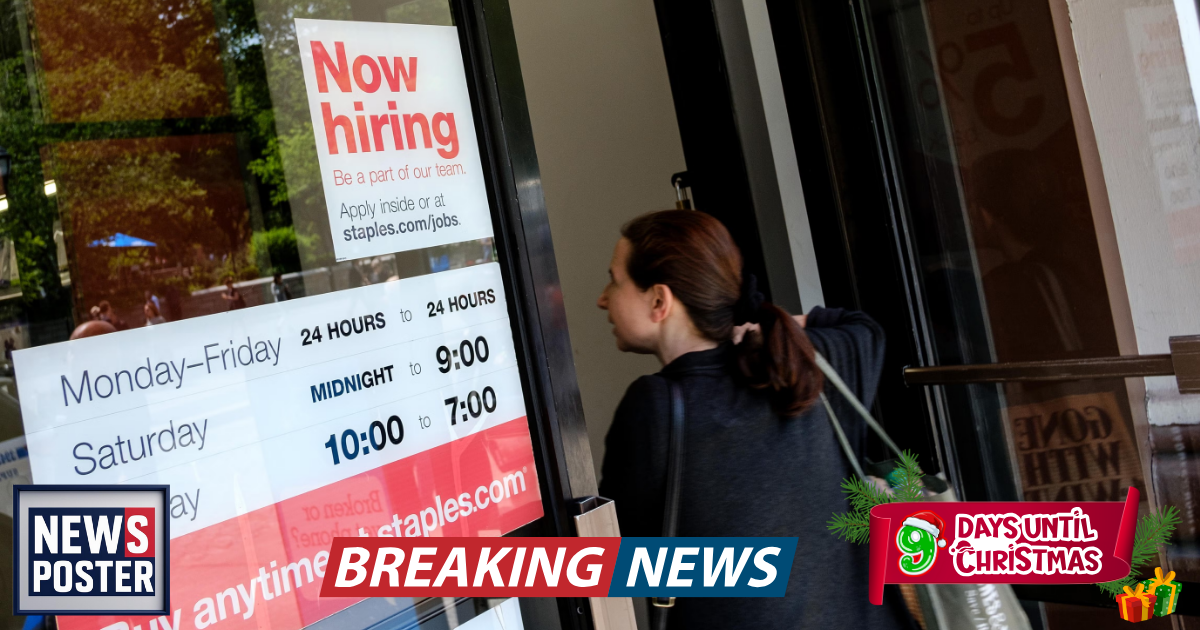
The U.S. unemployment rate rose to 4.6 percent in November, up from 4.4 percent in September, marking the highest level since September 2021. The increase comes amid federal layoffs, rising costs, and labor market strains, raising concerns about the overall health of the economy. The jobless rate has climbed from 4.0 percent in January, reflecting ongoing pressures on workers.
Employers added 64,000 jobs in November, partially offsetting a decline in October. However, the federal government shed 168,000 positions over the past two months due to deferred resignations ending, contributing to the rise in unemployment. Wage growth has slowed to its lowest level since 2021, coinciding with growing economic pessimism among Americans. A broader measure of labor market slack—including part-time workers seeking full-time jobs and those not actively looking for work—rose to 8.7 percent, up a full percentage point from last year. Black workers faced particularly high unemployment at 8.3 percent, a rise of more than two points since January. Manufacturing also saw a decline, losing 5,000 jobs in November, showing little benefit from federal trade policies aimed at boosting domestic production.
The report, delayed by the 43-day government shutdown, also included revised October data. Analysts and policymakers had hoped it would clarify the economy’s trajectory after months of mixed signals. The Federal Reserve, citing early signs of labor market strain, recently cut interest rates, weighing economic weakness against inflation risks. Overall, the data highlight both persistent challenges and vulnerabilities in the U.S. labor market as the country faces a period of economic uncertainty.