
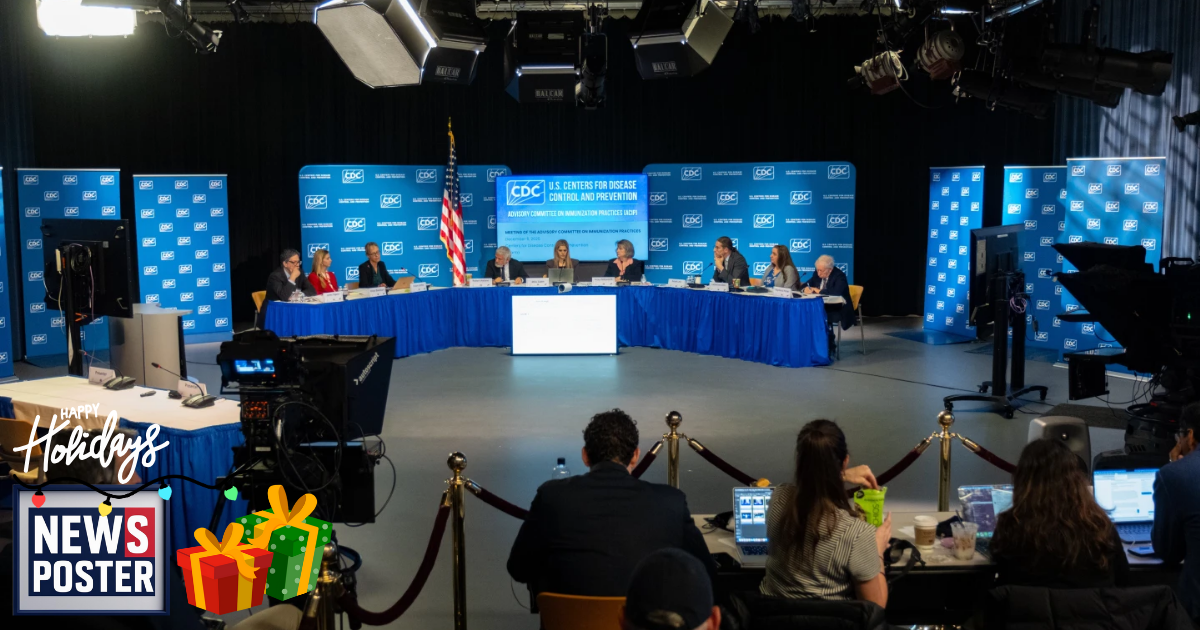
NEW YORK – A federal vaccine advisory panel voted Friday to end the long-standing recommendation that all U.S. newborns receive the hepatitis B vaccine at birth. Under the new guidance, the birth dose would be recommended only for babies whose mothers test positive for the virus or in cases where the mother’s status is unknown. For other infants, the decision would be left to parents and their doctors, with the vaccine series starting at two months if parents opt to delay. The vote passed 8-3.
The decision has drawn sharp criticism from public health and medical experts who emphasize the birth dose’s role in preventing serious liver infections and long-term complications, including liver cancer and cirrhosis. Many experts noted that the vaccine has been a public health success, drastically reducing childhood hepatitis B cases since its introduction in 1991. Critics argued that the committee ignored established evidence on the vaccine’s safety and effectiveness, and raised concerns about limiting CDC scientists from presenting data to the panel. Lawmakers and medical professionals also voiced alarm that the change could increase infection rates among infants, with some calling the vote a public health misstep. The acting CDC director will decide whether to adopt the new recommendations.